
Reverse Osmosis Installation
& Service in Santa Clara
Under-Sink RO & Water Filtration Systems • Installation
• Filter Replacement • Tank & Tankless Options
Reverse osmosis installation Santa Clara services from VILVIX Plumbing Systems include under-sink RO system installation, water filtration system installation, and filter replacement.
We help homeowners choose under-sink RO systems for drinking and cooking water based on their water supply, kitchen space, filtration needs, and maintenance preferences.
Considering a traditional system with a storage tank or a tankless RO unit? We explain the differences in space, electrical requirements, filter costs, and everyday use so you can choose a suitable system.
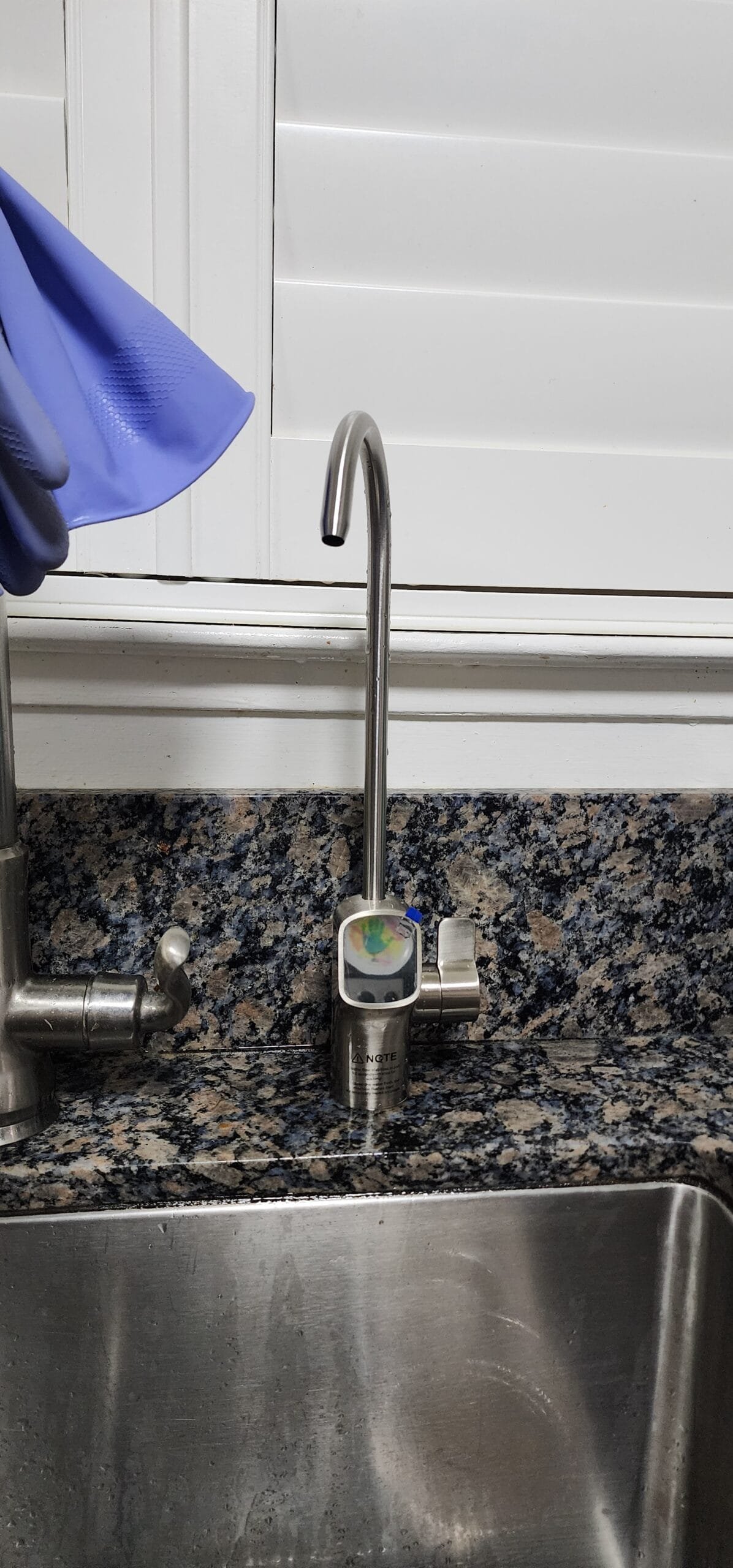
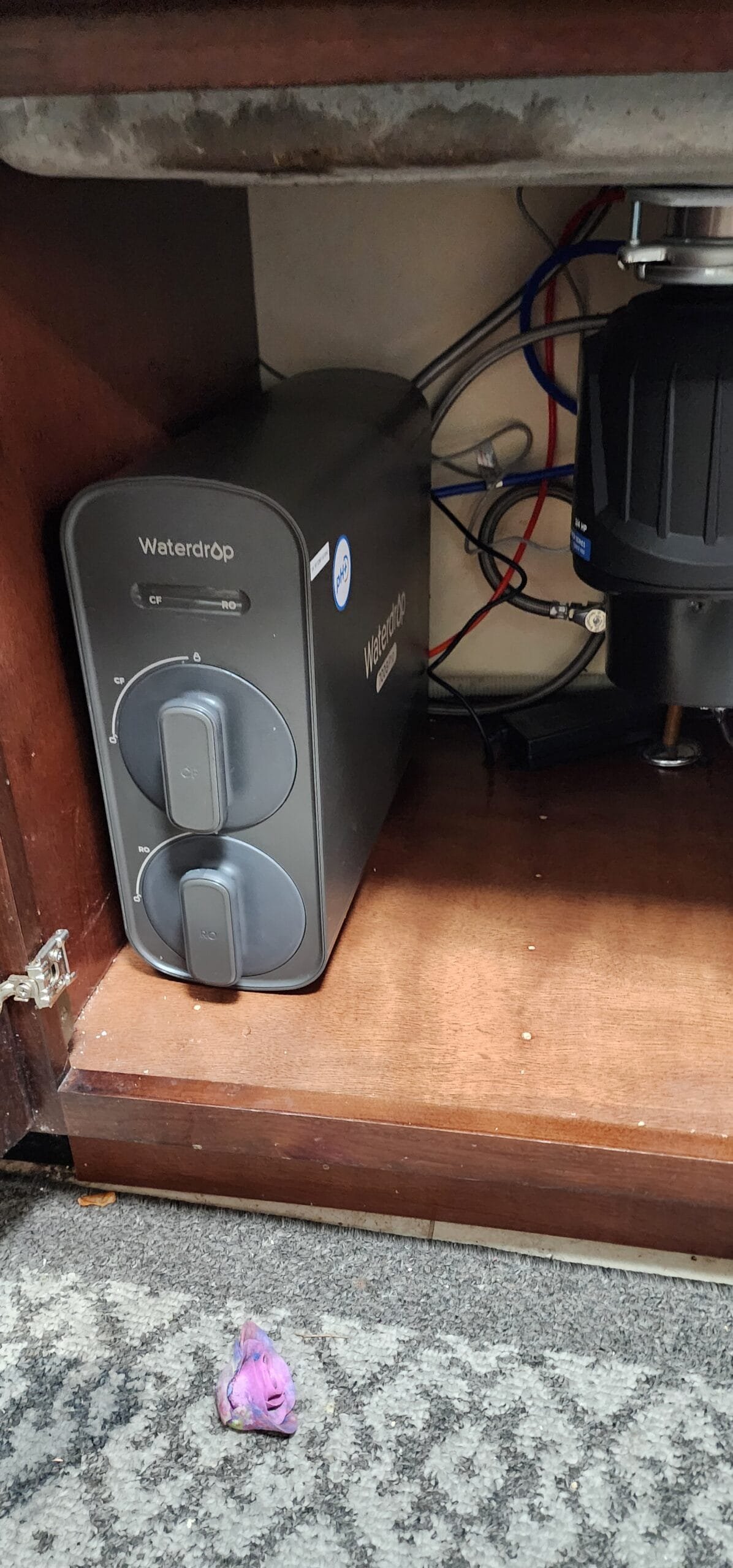
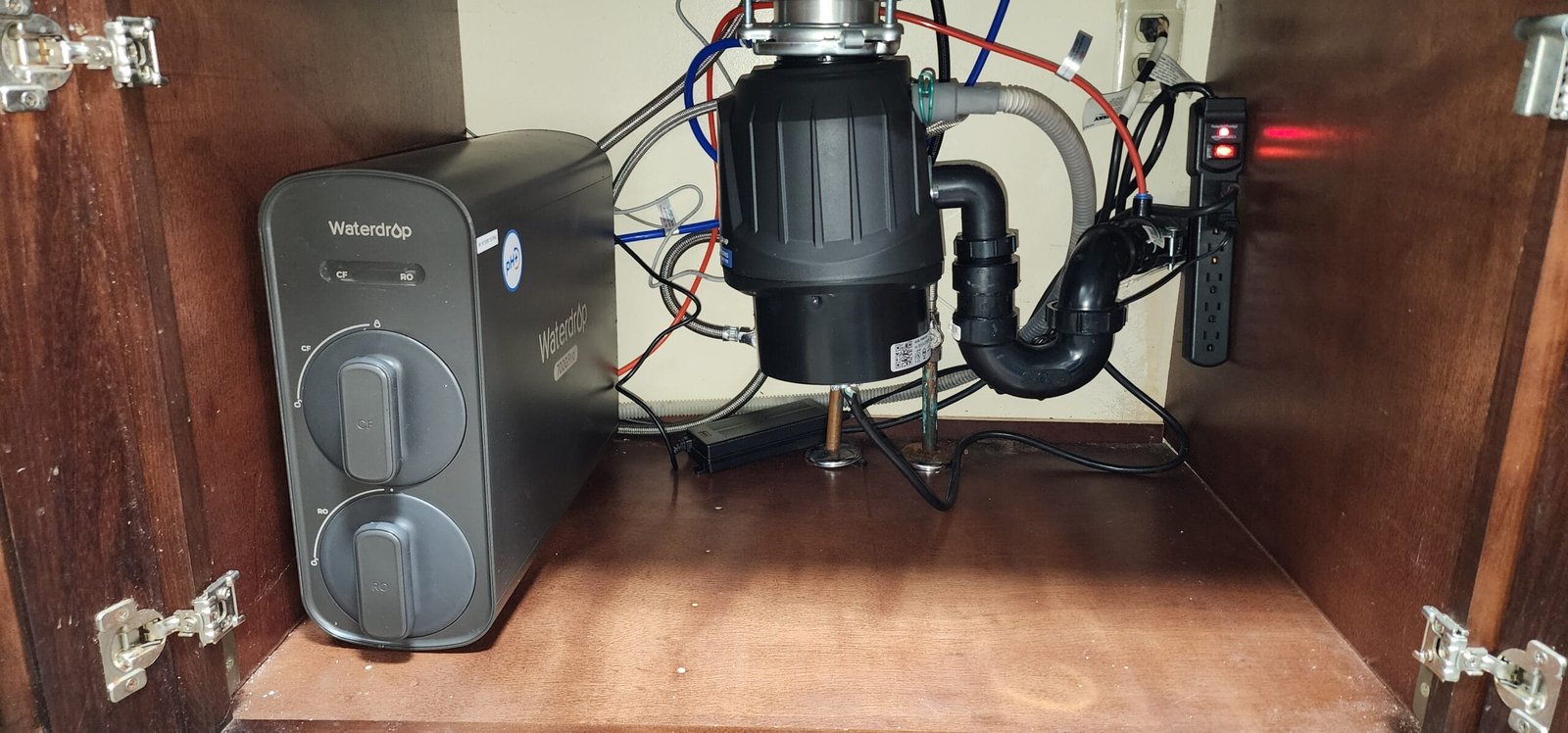
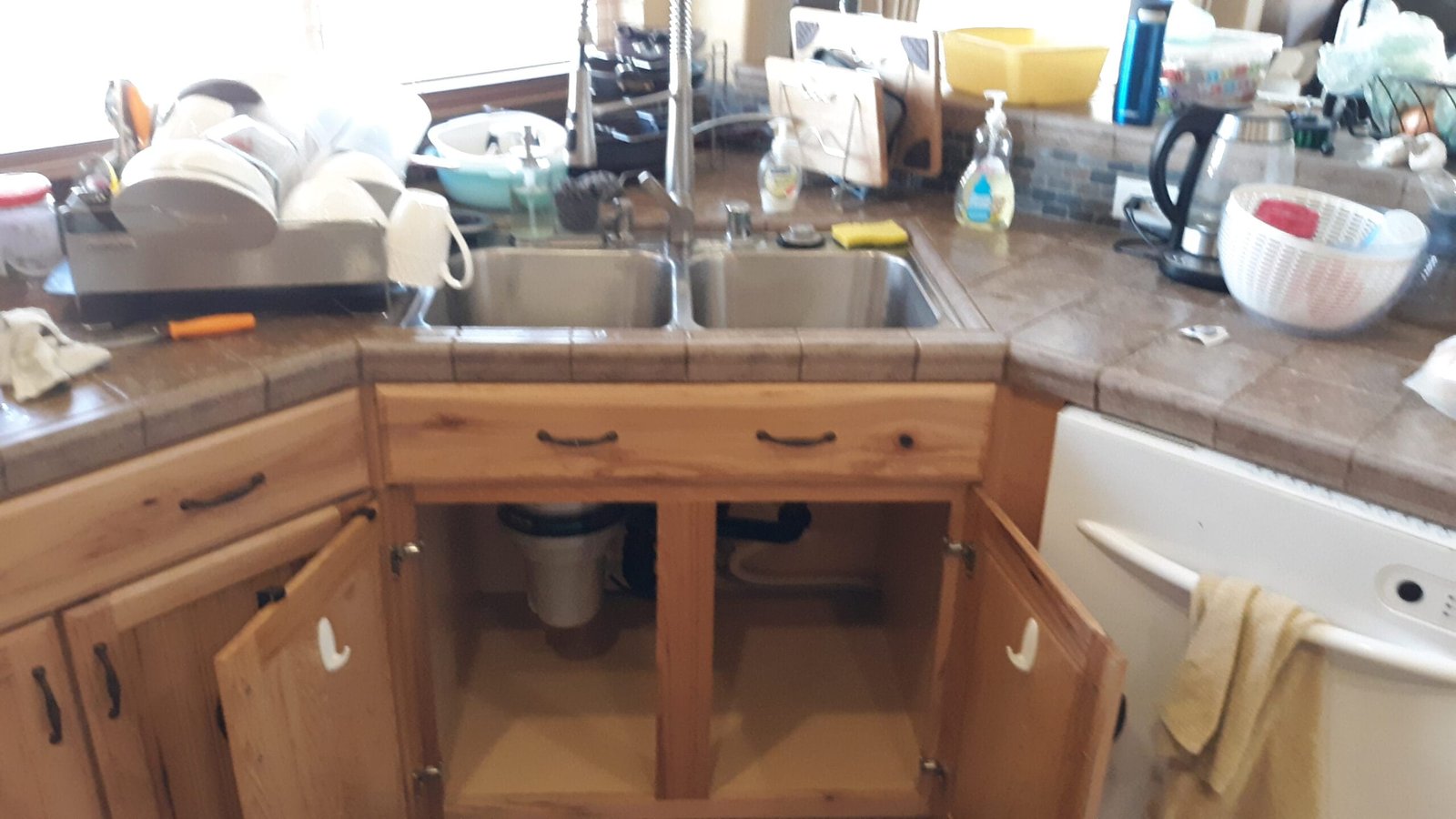
Need a plumber to install a reverse osmosis or under-sink water filtration system? VILVIX provides RO installation and service in Santa Clara, San Jose, and nearby communities. For a new installation or service for an existing unit, send us the brand and model, a photo under your sink, and a description of what you need.

What's Included in Reverse Osmosis Installation?
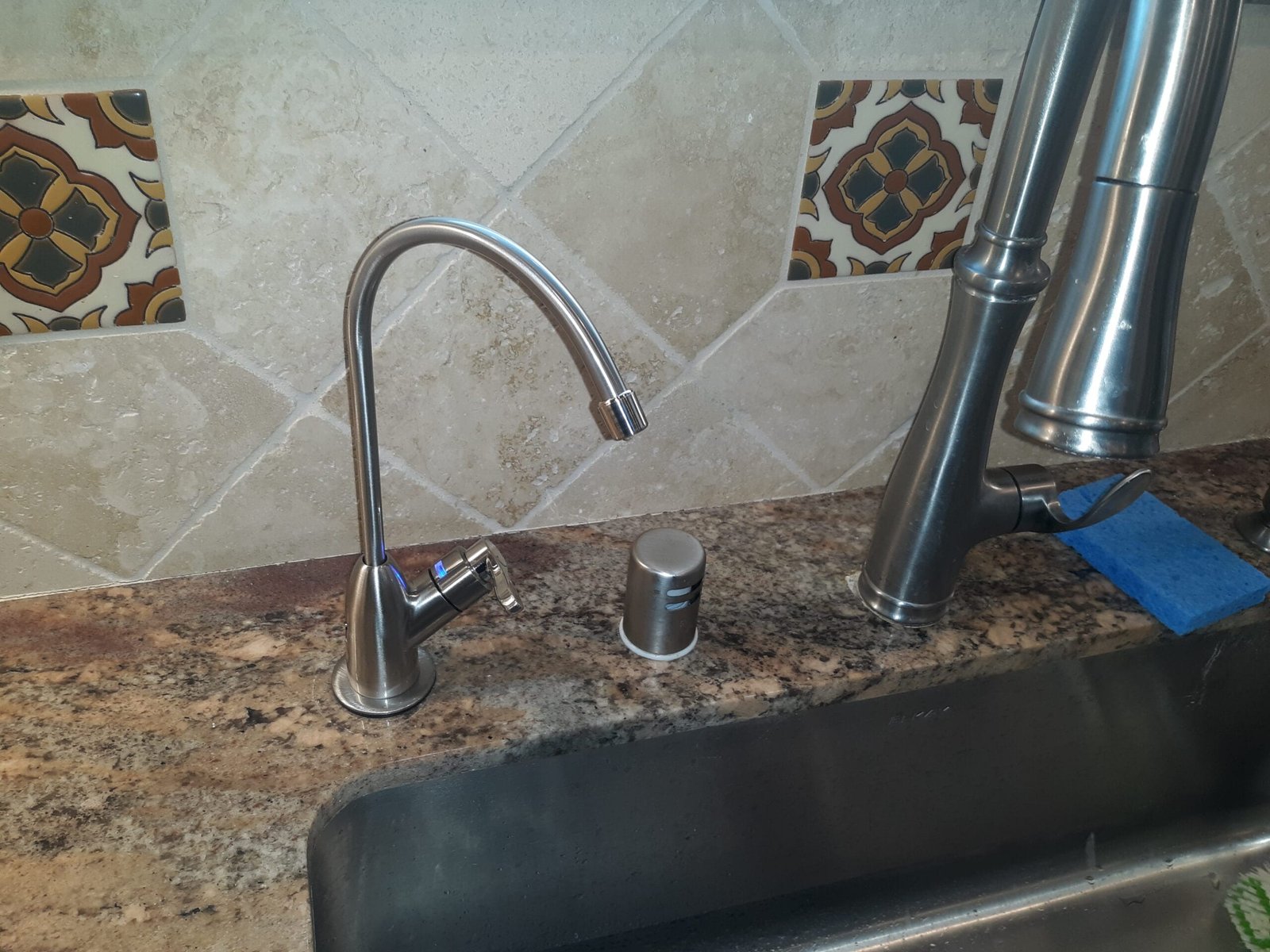
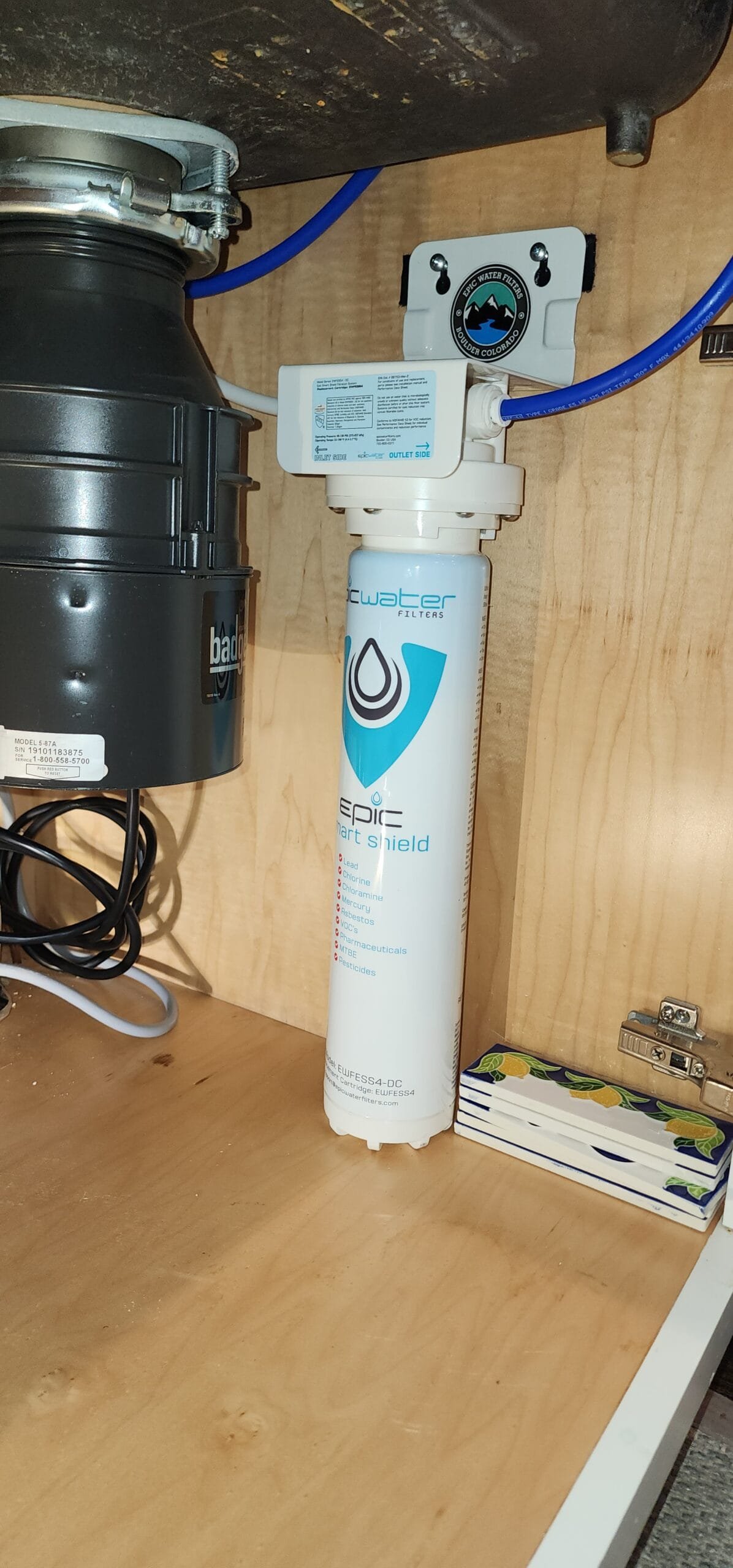
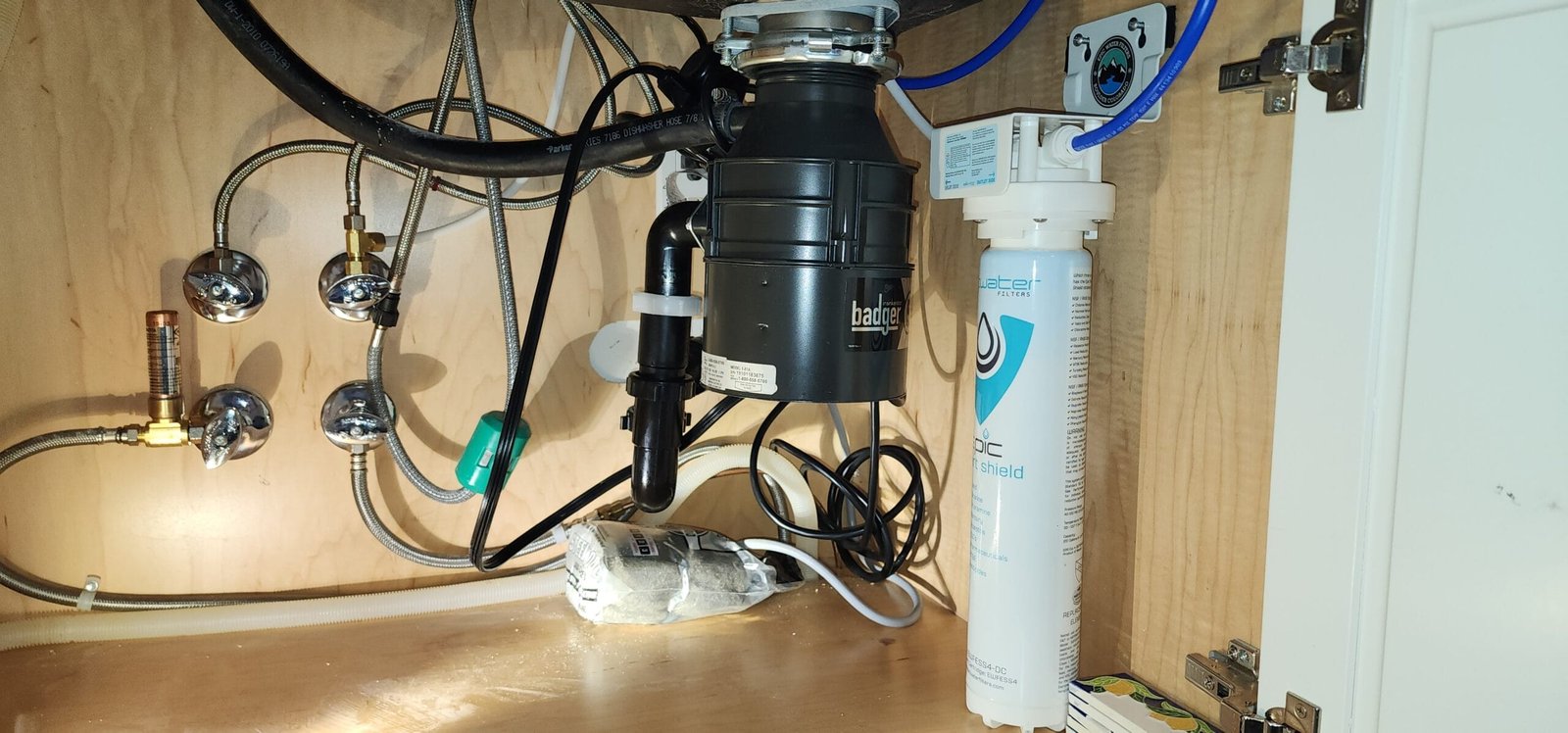
A typical under-sink reverse osmosis installation includes mounting the RO system, connecting the cold-water supply, installing or connecting the dedicated drinking-water faucet, connecting the drain line, positioning the storage tank when the system uses one, and checking the completed connections for leaks. After installation, the system is flushed according to the manufacturer's instructions and checked for proper operation.
Already Purchased an RO System?
If you already purchased a reverse osmosis system, send us the model number and photos of the area under your kitchen sink. We can review the available space, existing plumbing connections, faucet location, drain connection, and the manufacturer's installation requirements before discussing the installation.
How Much Does Reverse Osmosis Installation Cost in Santa Clara?
Reverse osmosis installation Santa Clara homeowners request typically ranges from $250 to $650+, depending on the type of RO system, existing plumbing, faucet installation, drain connection, and whether additional modifications are required. More complex installations or systems that require plumbing changes may cost more.
VILVIX provides an upfront estimate before installation so homeowners can understand the expected cost and scope of work.
Reverse Osmosis System Replacement
An existing under-sink RO system can often be replaced with a newer system, but the connections are not always identical. The new unit's dimensions, faucet, feed-water connection, drain connection, storage tank, tubing, and filter-clearance requirements should be reviewed before installation. We inspect the existing setup and determine what can be reused and what needs to be changed.
Why Choose Reverse Osmosis Installation Santa Clara Services?
An under-sink reverse osmosis system treats water at a dedicated drinking water faucet. Depending on the selected model and your incoming water, it can offer:
Better-Tasting Drinking Water
Suitable filtration can reduce substances that affect taste and odor, making water more enjoyable for drinking and cooking.
Targeted Contaminant Reduction
Choose a system with verified reduction claims for the substances you want to address. Performance depends on the exact model, water conditions, and proper maintenance.
Less Reliance on Bottled Water
Filtered water at your kitchen sink can reduce the need to purchase, carry, and store disposable water bottles.
Filtration for Drinking and Cooking
An under-sink RO system treats water at the connected outlet. It does not replace a whole-house water softener or treat every faucet in your home.
RO vs Whole-House
An under-sink reverse osmosis system and a whole-house filtration system serve different purposes. An under-sink RO system typically treats drinking and cooking water at a dedicated faucet. A whole-house filtration system treats water at another point before it is distributed to multiple fixtures throughout the home. The right option depends on the water-quality goal, available installation space, and the equipment being considered.
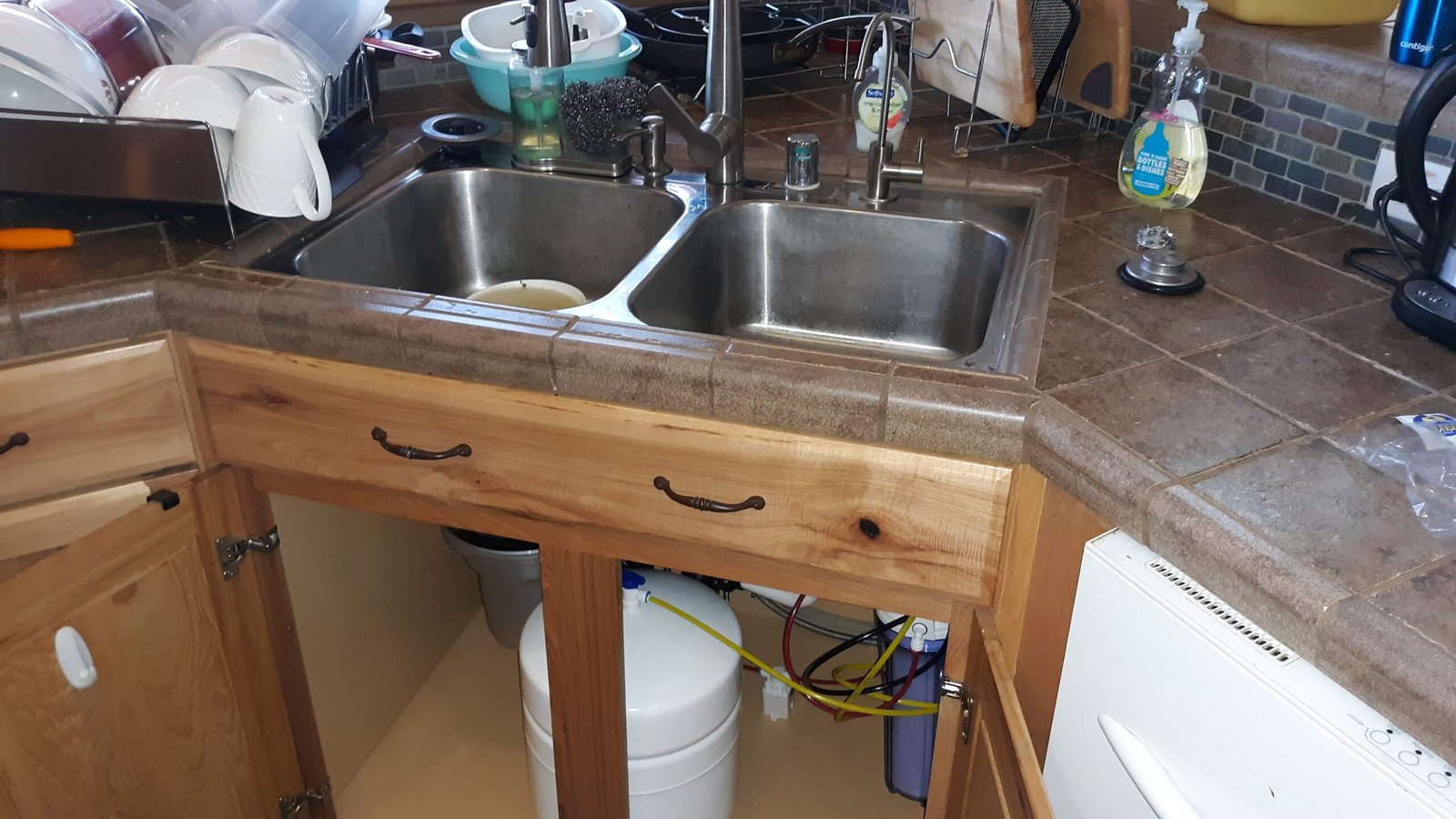
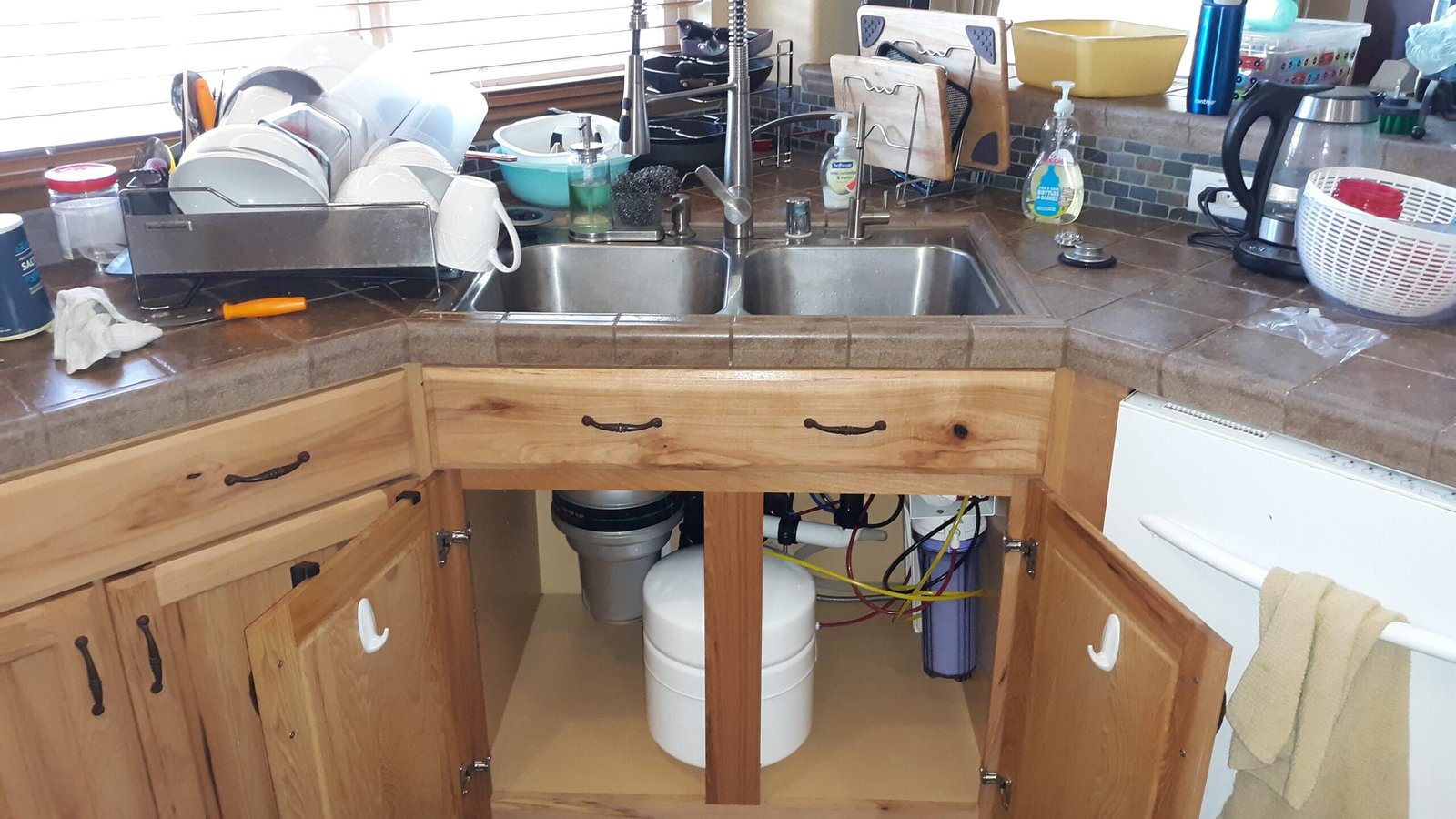
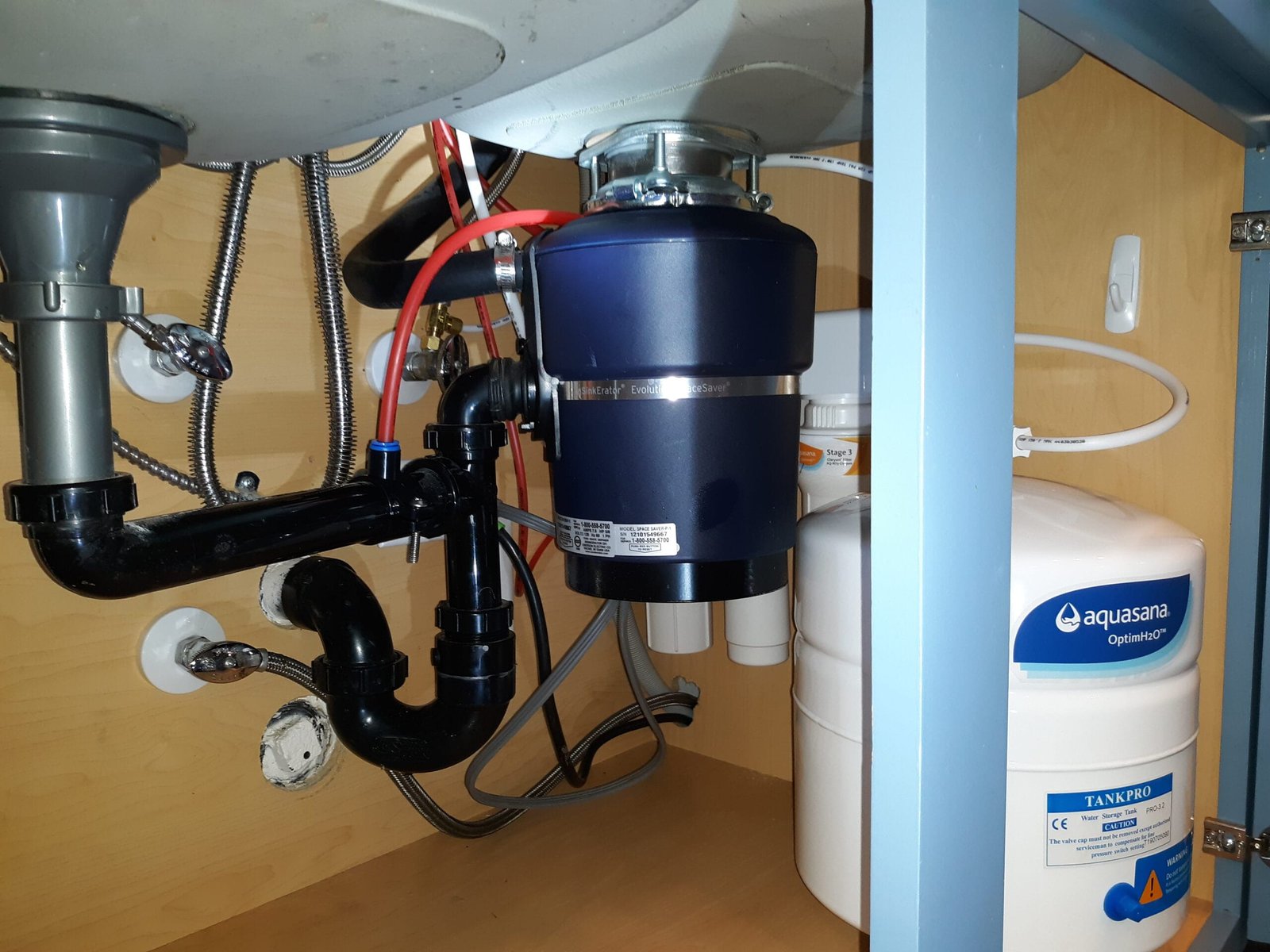
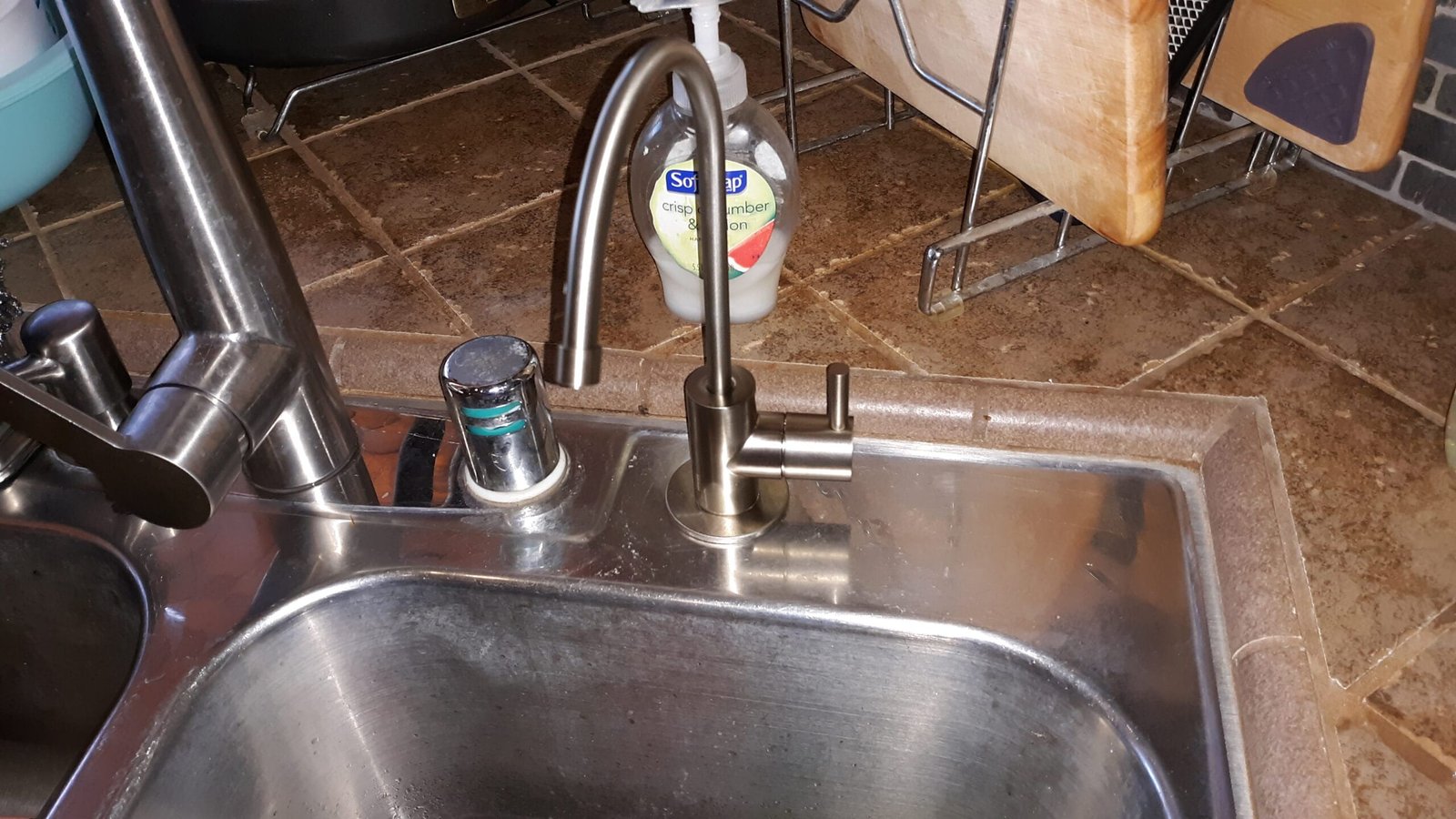
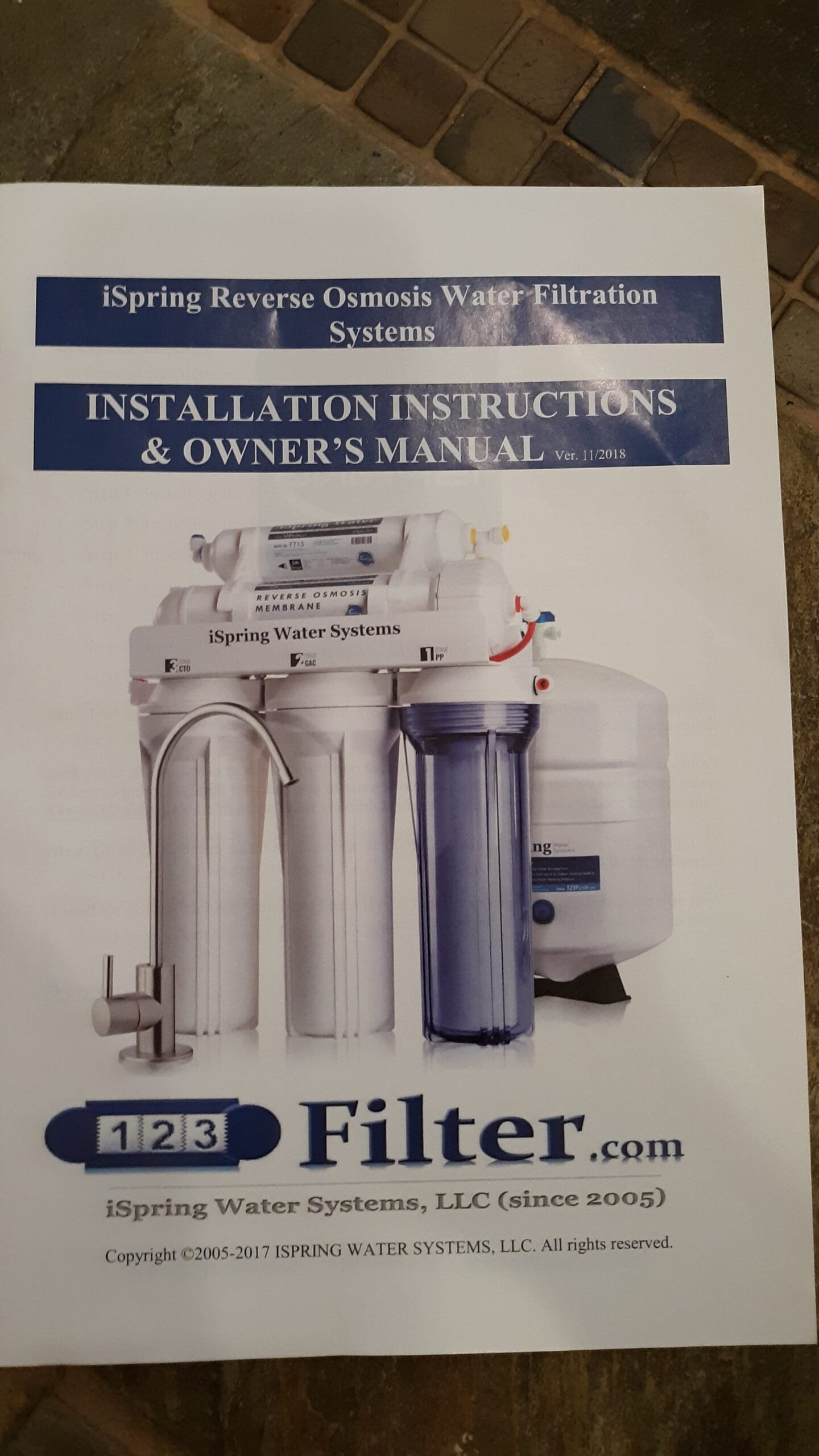
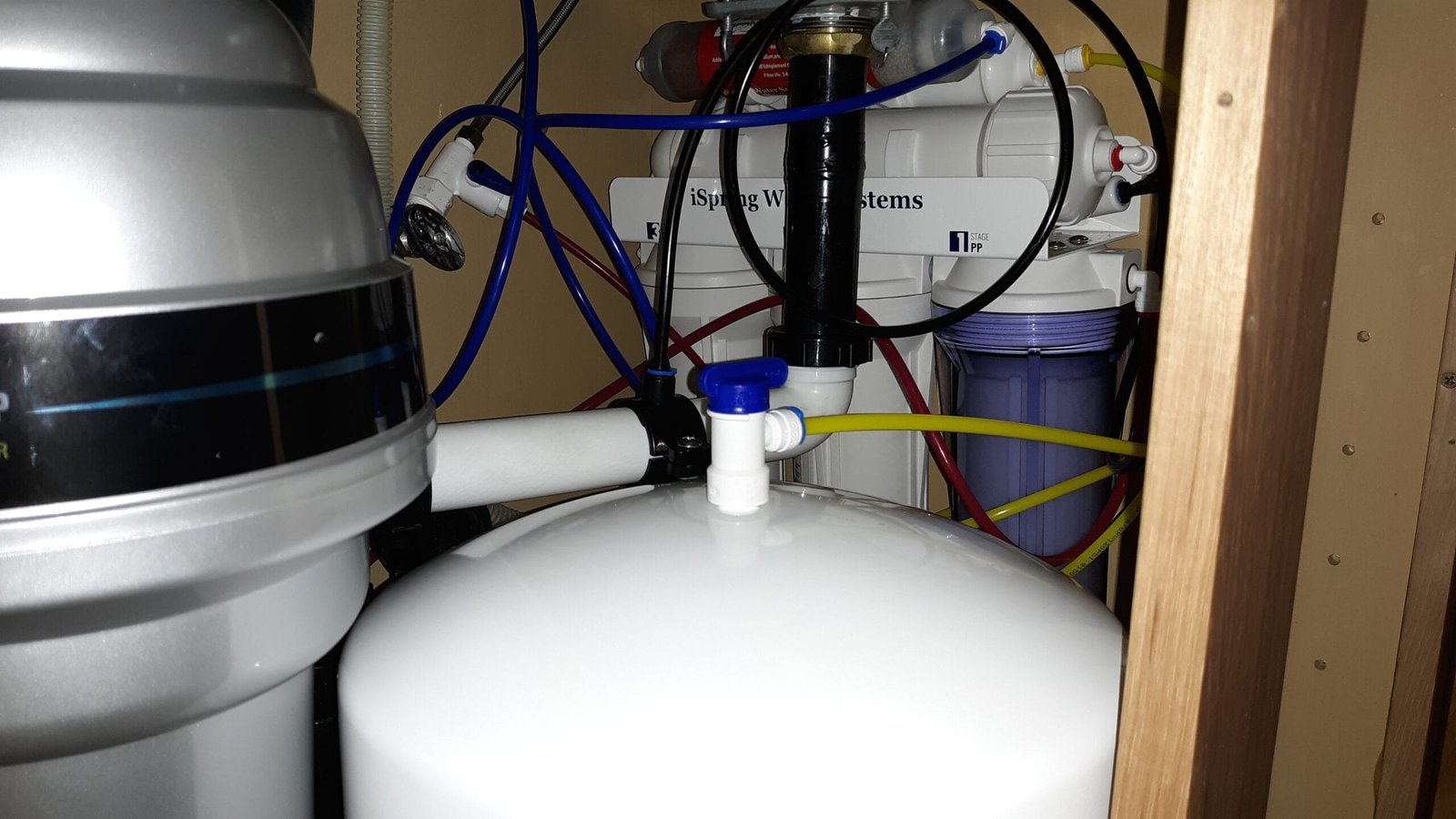
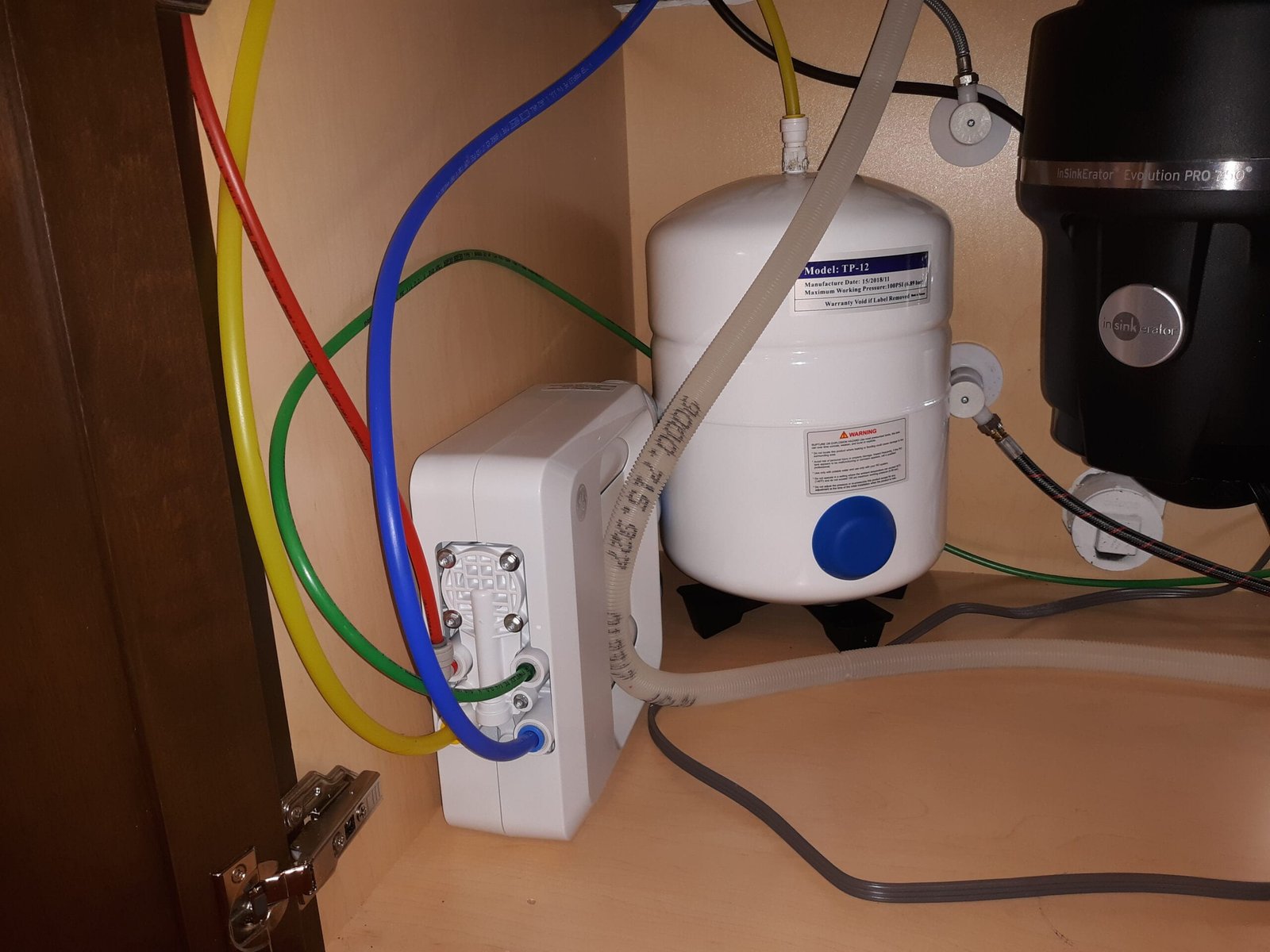
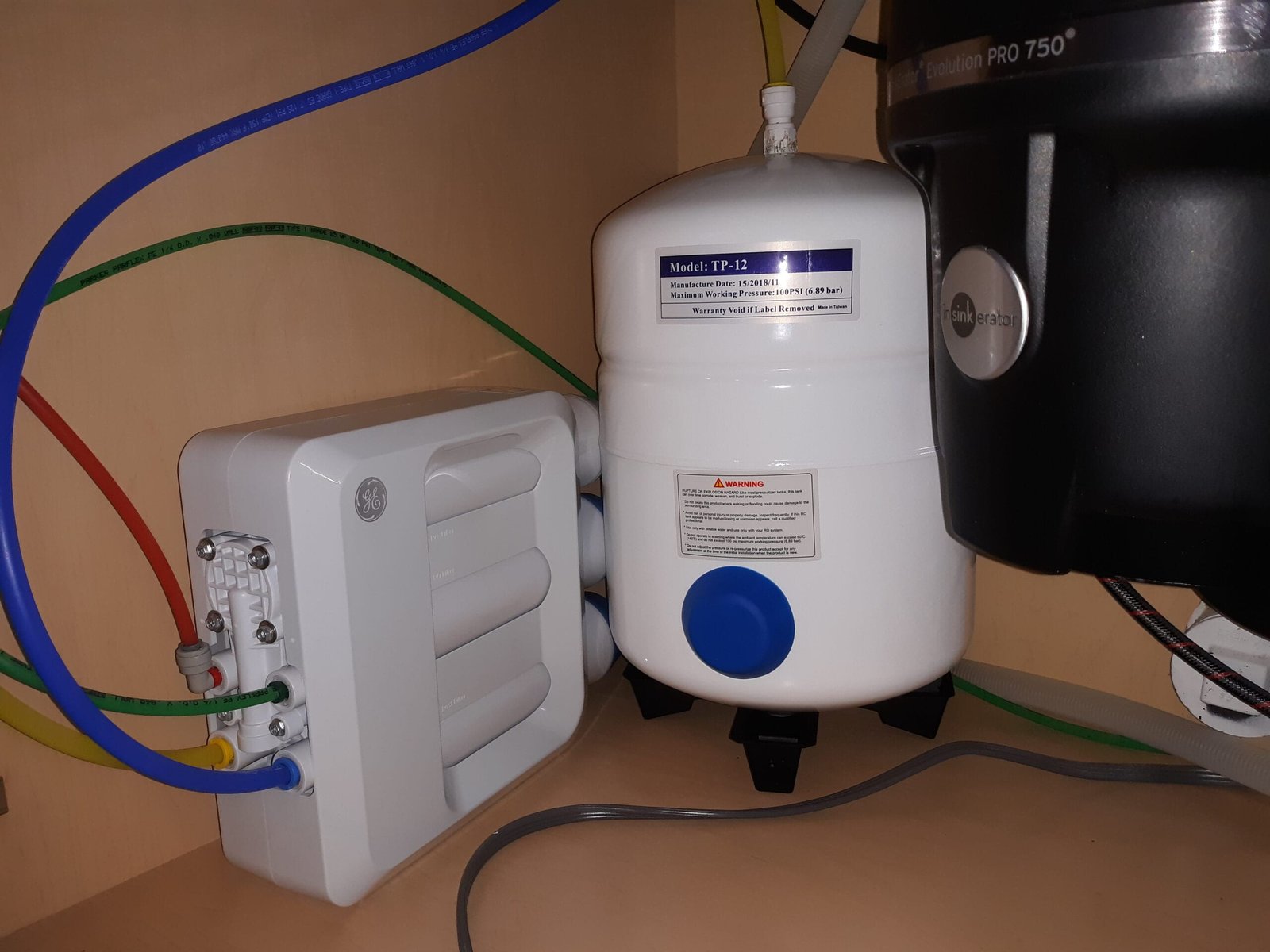


Professional Installation You Can Trust
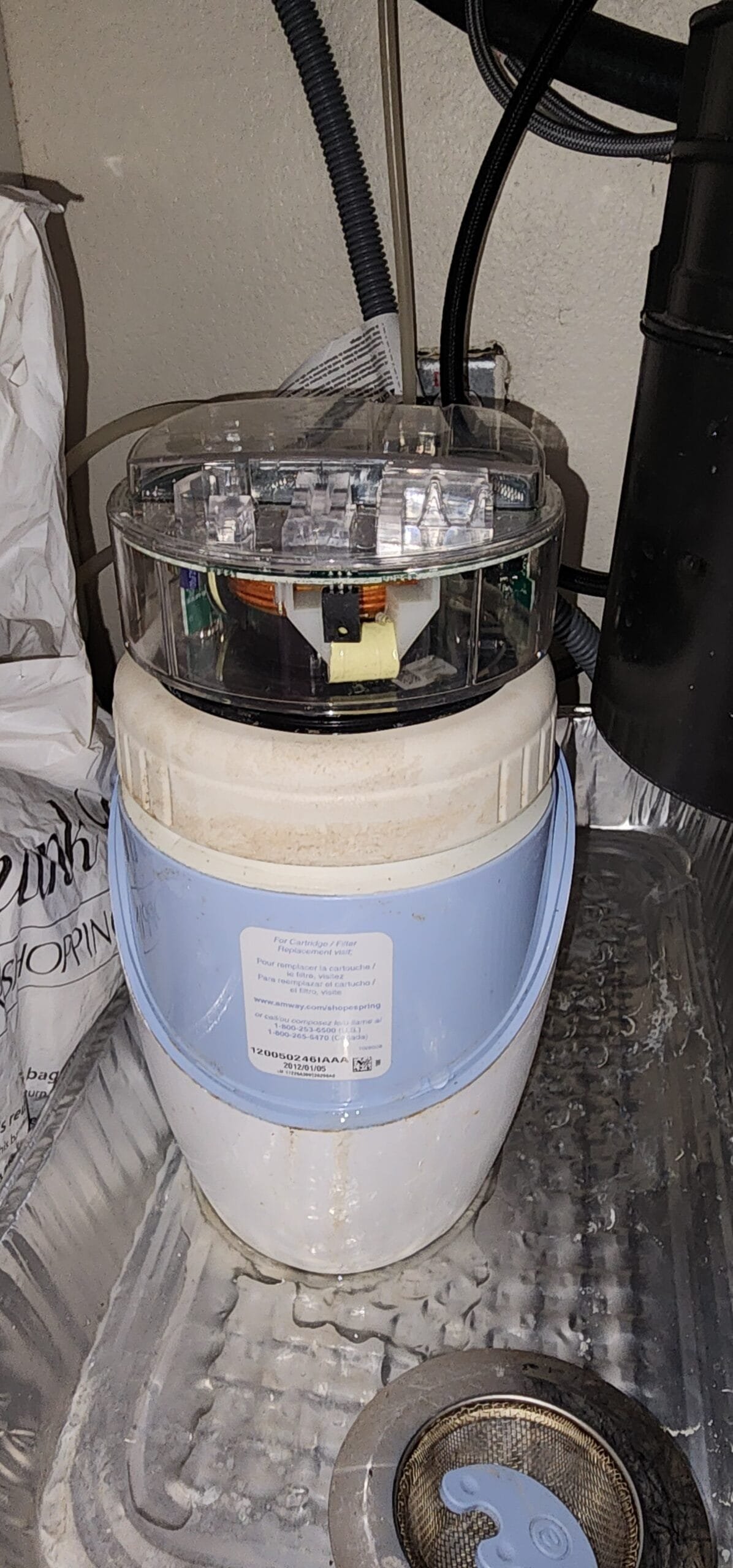
Every RO system has different installation requirements. Before installation, we review the available space, cold-water connection, drain location, faucet placement, water pressure, and the manufacturer’s specifications. The goal is a clean, leak-free installation that allows the system to operate as designed.
DIY vs. Professional Reverse Osmosis Installation
Some reverse osmosis systems are designed for DIY installation, but proper installation still requires connecting the system to the cold-water supply, installing a drain connection, mounting the drinking-water faucet, and checking the entire system for leaks.
Professional RO installation can be a better option when cabinet space is limited, a new faucet hole is required, the refrigerator or ice maker will be connected, water pressure needs to be checked, or existing plumbing must be modified.
VILVIX provides professional reverse osmosis installation in Santa Clara for both tank and tankless systems. We install customer-supplied RO systems according to the manufacturer’s requirements and verify the connections, water pressure, drainage, and system operation before completing the job.
Reverse Osmosis Installation for Cleaner, Better-Tasting Water
Reverse osmosis provides point-of-use filtration for drinking and cooking water. A typical under-sink RO system combines sediment and carbon filtration with a reverse osmosis membrane to reduce selected dissolved substances before filtered water reaches a dedicated drinking-water faucet.
Santa Clara homeowners may choose an RO system to improve taste, reduce specific contaminants supported by the system’s certified performance claims, or reduce reliance on bottled water. The right system depends on local water conditions, household needs, available under-sink space, water pressure, and the manufacturer’s specifications.
Santa Clara Water Quality and Reverse Osmosis
Santa Clara’s drinking water comes from three main sources: local groundwater wells, the San Francisco Public Utilities Commission (SFPUC) Hetch Hetchy system, and water supplied by Valley Water. Because these sources are used interchangeably or blended, water characteristics can vary by location within Santa Clara.
According to the City of Santa Clara’s 2025 Water Quality Consumer Confidence Report, the city regularly tests its drinking water for more than 100 potential contaminants and reports that the water meets applicable federal and state drinking-water standards. The report also notes that SFPUC water uses chloramination, while Valley Water treatment includes chlorine and chloramine.
Chromium-6 is also monitored in local groundwater. Santa Clara reports that all 20 of its groundwater wells tested below California’s 10 ppb drinking-water standard. Valley Water notes that reverse osmosis is one treatment technology capable of reducing or removing chromium-6.
For homeowners considering additional point-of-use filtration, an appropriately certified reverse osmosis system can reduce specific dissolved substances depending on the system’s tested and certified performance.
Tank vs. Tankless Reverse Osmosis Systems: Which Is Better?
Both tank and tankless reverse osmosis systems can provide high-quality filtered drinking water, but they work differently.
Traditional tank RO systems store filtered water in a small pressure tank under the sink. They are widely available, usually require no electrical outlet, and can be a practical choice for many homes.
Tankless RO systems filter water on demand and typically take up less cabinet space. Many models provide higher flow rates and include features such as filter-life indicators or water-quality monitoring, but they often require electrical power and may cost more than traditional systems.
The best option depends on available cabinet space, household water usage, water pressure, electrical access, maintenance preferences, and the specific RO system being installed.
VILVIX can install both traditional tank and tankless reverse osmosis systems in Santa Clara and help homeowners determine which type is compatible with their kitchen plumbing.
What Does a Reverse Osmosis System Remove From Water?
Reverse osmosis systems use a semipermeable membrane and multiple filtration stages to reduce many dissolved substances and contaminants in drinking water. Depending on the system and membrane certification, RO filtration may reduce substances such as lead, arsenic, fluoride, chromium, nitrates, sodium, and total dissolved solids (TDS), along with chlorine taste and odor when carbon prefilters are included.
The exact contaminants reduced depend on the specific RO system and its certified performance. Homeowners should check the manufacturer’s performance data sheet and NSF/ANSI certifications when choosing a system for a particular water-quality concern.
Reverse osmosis systems are typically installed at the point of use, such as under a kitchen sink, to provide filtered water through a dedicated drinking-water faucet.
When comparing reverse osmosis systems, look for products certified to NSF/ANSI 58, the standard specifically developed for reverse osmosis drinking water treatment systems. NSF/ANSI 58 evaluates areas such as material safety, structural integrity, total dissolved solids (TDS) reduction, efficiency, recovery, and specific contaminant-reduction claims.
How Much Water Does a Reverse Osmosis System Waste?
Reverse osmosis systems produce both filtered water and reject water during the filtration process. The amount of water sent to the drain can vary significantly depending on the efficiency of the RO system.
According to the U.S. Environmental Protection Agency (EPA), a typical point-of-use reverse osmosis system may send five gallons or more of water down the drain for every gallon of treated water produced. More efficient systems can significantly reduce this amount.
Homeowners comparing RO systems should consider not only filtration performance, but also the system’s water-efficiency rating. EPA WaterSense-labeled point-of-use RO systems are independently certified and must send no more than 2.3 gallons of water to the drain for every gallon of treated water produced.
How Often Should Reverse Osmosis Filters and Membranes Be Replaced?
Regular maintenance helps a reverse osmosis system maintain water quality, flow rate, and filtration performance. Replacement intervals vary by system, household water usage, and incoming water quality.
As a general guideline, RO pre-filters may need replacement about every 6 months, while an RO membrane may last approximately 1 to 5 years. Post-filters and other cartridges should be replaced according to the manufacturer’s recommended maintenance schedule.
Signs that an RO system may need service include reduced water flow, low pressure at the drinking-water faucet, unusual taste or odor, or declining filtration performance.
Homeowners should always follow the replacement schedule specified by the RO system manufacturer, since filter and membrane life can vary significantly between models.
Reverse Osmosis vs. Carbon Water Filter: What’s the Difference?
Carbon water filters and reverse osmosis systems treat water differently. Activated carbon filters are commonly used to improve taste and odor and can reduce chlorine and certain organic contaminants, depending on the filter and its certification.
Reverse osmosis systems use a semipermeable membrane in addition to pre-filters and, in many systems, carbon filtration. This allows a properly certified RO system to reduce many dissolved substances that a basic carbon filter may not address, including total dissolved solids (TDS) and certain salts, minerals, and other contaminants.
A carbon filter may be sufficient when the main goal is improving taste or odor. An RO system may be a better option when a homeowner wants more comprehensive point-of-use filtration for drinking and cooking water.
The best choice depends on the substances you want to reduce, your water quality, available space, maintenance preferences, and the certified performance of the specific filtration system.
What Is TDS and How Does Reverse Osmosis Reduce It?
TDS (Total Dissolved Solids) is a measurement of dissolved substances in water, including minerals, salts, metals, and other dissolved material. TDS is commonly measured in parts per million (ppm).Reverse osmosis membranes are designed to reduce dissolved solids as water passes through the membrane. Systems certified to NSF/ANSI 58 are tested for TDS reduction, providing a standardized way to evaluate RO system performance.
A TDS meter can be useful for comparing the TDS level of incoming water with water produced by an RO system. However, a TDS reading does not identify which specific substances are present in the water and should not be used by itself to determine whether drinking water is safe.
If a homeowner is concerned about a particular contaminant, the RO system should be selected based on certified reduction claims for that specific substance rather than TDS alone.
Do You Need a Water Softener With a Reverse Osmosis System?
A reverse osmosis system and a water softener perform different jobs. A water softener is designed primarily to reduce hardness minerals such as calcium and magnesium throughout the home, while a point-of-use RO system is typically installed to provide filtered drinking and cooking water at a specific faucet.
An RO system can reduce many dissolved minerals, including hardness minerals, but it should not automatically be considered a replacement for a whole-house water softener. If a home has significantly hard water, pretreatment may help reduce scale buildup and protect the RO membrane.
Whether a water softener is needed before an RO system depends on the incoming water hardness, the RO manufacturer’s specifications, household water conditions, and the type of system being installed.
Homeowners who already have a water softener can often install an under-sink RO system downstream of the softened water supply, provided the installation follows the RO manufacturer’s requirements.
What Water Pressure Does a Reverse Osmosis System Need?
Water pressure plays an important role in reverse osmosis system performance because pressure is used to push water through the RO membrane. If the incoming pressure is too low, the system may produce filtered water more slowly and may not operate as efficiently.
The required water pressure varies by RO system and manufacturer. Some traditional under-sink systems require approximately 40–45 PSI or higher, while systems equipped with a booster pump may be designed to operate with lower incoming pressure.
If household water pressure is too low for the selected RO system, a compatible booster pump may be recommended. If pressure is unusually high, the installation should follow the manufacturer’s maximum inlet-pressure requirements.
Before installing an RO system, VILVIX can check the available water pressure and confirm that it is within the operating range specified by the system manufacturer.
Frequently Asked Questions About Reverse Osmosis Installation in Santa Clara, CA
Ready to Discuss an RO System?
Tell VILVIX Plumbing Systems about your kitchen setup and drinking water goals. Call or book online to discuss installation.
Plumbing Services
Santa Clara & Bay Area Plumbing Service Areas
VILVIX provides reverse osmosis installation and plumbing services in Santa Clara and surrounding Bay Area communities. Service availability depends on location and the type of plumbing work required.