
Garbage Disposal Installation and Replacement in Santa Clara, CA
Fast, Reliable Solutions to Keep Your Kitchen Clean and Running Smoothly
VILVIX Plumbing Systems provides garbage disposal installation and replacement in Santa Clara, CA. If your disposal is leaking, frequently jamming, making unusual noises, or no longer working, replacement may be the most practical solution. We install compatible garbage disposals, connect the sink drain and dishwasher discharge when applicable, and test the system for leaks and proper drainage.
What's Included: Professional garbage disposal installation typically includes checking the existing sink and mounting assembly, connecting the disposal to the drain, connecting the dishwasher discharge when applicable, checking the existing electrical connection, and testing the unit for leaks, proper drainage, and normal operation.
Choosing the Right Garbage Disposal: We install compatible continuous-feed and batch-feed garbage disposals and can help determine the appropriate size for your kitchen. Common residential options include 1/2 HP, 3/4 HP, and 1 HP models. The right choice depends on household size, cooking habits, available cabinet space, desired noise level, and the existing sink, drain, dishwasher, and electrical connections.
Why Choose VILVIX Plumbing Systems for Garbage Disposal Installation?
Proper Drain and Dishwasher Connections
A garbage disposal should be properly aligned with the sink drain and securely connected to the dishwasher discharge when applicable. During installation, these connections are checked for proper drainage and leaks to help prevent common under-sink problems.

Garbage Disposal Repair or Replacement?
Not every garbage disposal problem automatically requires replacement. A disposal that will not turn on, hums without grinding, drains slowly, leaks, jams repeatedly, or makes unusual noises should first be evaluated to determine where the problem is coming from. The condition and age of the unit, the location of a leak, and the existing sink and drain connections help determine whether repair or replacement is the practical option.
Common Garbage Disposal Problems
Garbage disposal will not turn on
Disposal hums but does not spin
Water leaking beneath the disposal
Leak around the sink flange
Frequent jams
Unusual grinding or rattling noises
Slow kitchen sink drainage
Dishwasher connection leaking near the disposal
Can I Replace My Garbage Disposal With a Different Horsepower?
A different horsepower garbage disposal may be possible if the new unit is compatible with the sink opening, drain alignment, available cabinet space, electrical connection, dishwasher connection when applicable, and the household's needs. The existing installation and the specifications of the replacement unit should be reviewed before installation.
What's Included in Garbage Disposal Replacement?
Garbage disposal replacement typically includes removing the existing unit, inspecting the sink mounting area and accessible drain connections, installing the compatible replacement disposal, reconnecting the drain piping, connecting the dishwasher drain when applicable, and testing the completed installation for proper operation and leaks. The surrounding sink cabinet is checked before the work is completed.
Already Purchased a Garbage Disposal?
If you already purchased a replacement garbage disposal, send us the brand and model number along with photos of the existing disposal and the plumbing beneath the sink. We can review compatibility, available space, drain alignment, and the existing connections before discussing installation.
Garbage Disposal Replacement: When Is a New Unit the Better Choice?
Replacement may be the better option when a garbage disposal has persistent leaks, frequent jams, excessive vibration, unusual grinding noises, or a motor that no longer runs reliably. A newer unit may also be worth considering when an older disposal requires repeated repairs or no longer meets the household’s needs.
Before replacing a disposal, the existing sink opening, mounting system, drain layout, dishwasher connection, cabinet clearance, and available electrical connection should be checked to determine whether the new unit is compatible.
Types of Garbage Disposals and How to Choose the Right One
The two main types of residential garbage disposals are continuous-feed and batch-feed models. Continuous-feed disposals operate while the wall switch is on, while batch-feed models operate only when a special stopper or cover is placed in the drain opening. The best choice depends on household use, safety preferences, available space, and the existing sink and plumbing configuration.
Continuous Feed Garbage Disposals
Continuous feed garbage disposals are the most common type installed in residential kitchens. These units operate whenever the switch is turned on, allowing food waste to be added continuously while the disposal is running.
This design is convenient for busy households because large amounts of food scraps can be processed quickly. Continuous feed units are typically affordable, easy to use, and widely available in different horsepower ratings.
Most homeowners choose continuous feed disposals because they offer a combination of convenience, reliability, and cost effectiveness.
Batch Feed Garbage Disposals
Batch feed garbage disposals operate differently. Instead of running continuously, the disposal only activates after a special cover is placed over the drain opening.
Many homeowners prefer batch feed units because they provide an additional layer of safety. Since the disposal cannot run while the opening is exposed, the risk of accidental contact with moving components is reduced.
Batch feed disposals are commonly installed in households with young children or homeowners who prioritize additional safety features.
What Horsepower Garbage Disposal Do I Need?
Garbage disposals are commonly available in 1/3 HP, 1/2 HP, 3/4 HP, and 1 HP sizes. Smaller units may be suitable for lighter use, while 3/4 HP and 1 HP models generally provide more grinding power for households that use the disposal frequently. The best size depends on household use, available under-sink space, the existing mounting and drain configuration, and the specific disposal model being installed.
Are Some Garbage Disposals Quieter Than Others?
Yes. Some garbage disposals are designed to operate more quietly than basic models. Features such as insulated grinding chambers, vibration-reducing mounts, and sound insulation can help reduce operating noise. Noise level can be an important consideration in open-concept kitchens or when the sink is close to living areas.
Are Stainless Steel Garbage Disposal Components Better?
Stainless steel grinding components can offer good durability and corrosion resistance in a garbage disposal. However, the overall quality of a disposal also depends on the motor, grinding system, construction, warranty, and how frequently the unit is used. Stainless steel components are one factor to consider rather than the only reason to choose a particular model.
Common Causes of Garbage Disposal Failure and How to Extend Its Lifespan
Common causes of garbage disposal problems include unsuitable food waste, grease buildup, foreign objects, overloading, and normal wear. These issues can lead to jams, slow drainage, unusual noises, leaks, or a disposal that stops working. Proper use and routine maintenance can help reduce many common problems and extend the life of the unit.
What Should You Not Put in a Garbage Disposal?
Avoid putting grease or cooking oil, large bones, fruit pits, fibrous food waste, and other hard or non-food objects into a garbage disposal. These materials can contribute to clogs, jams, or damage to the grinding components. Food waste should be added gradually rather than forcing a large amount into the disposal at once.
Why Shouldn’t Grease Go Down a Garbage Disposal?
Grease and cooking oil can cool and collect inside the drain piping, restricting water flow and contributing to clogs. A garbage disposal does not prevent grease from building up in the drain. Grease and oil should be kept out of the kitchen drain whenever possible.
Foreign Objects
Metal utensils, bottle caps, glass, small tools, and other non-food objects can jam a garbage disposal or damage internal components. If a foreign object enters the disposal, turn the unit off and disconnect power before attempting any inspection or removal.
Normal Wear and Tear
Garbage disposals experience normal wear over time. Motors, seals, bearings, mounting components, and grinding parts can deteriorate with repeated use. As a unit ages, increasing noise, vibration, leaks, or reduced grinding performance may indicate that service or replacement should be considered.
How Can You Help a Garbage Disposal Last Longer?
Use cold water while the disposal is running, add food waste gradually, and avoid grease, hard objects, and large amounts of fibrous food waste. Allow water to run briefly after grinding to help move waste through the drain. Following the manufacturer’s operating and maintenance instructions can also help reduce jams and unnecessary wear.
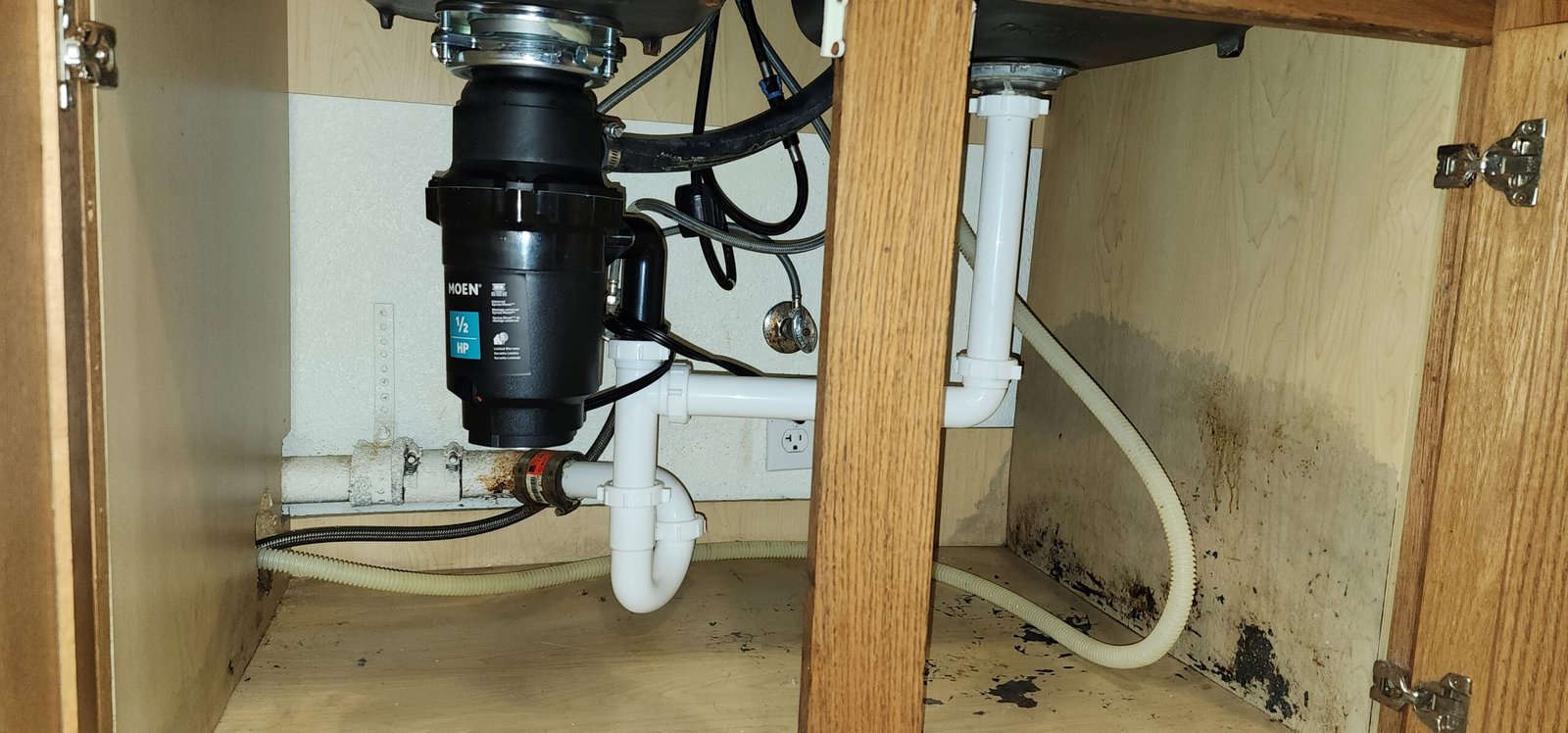
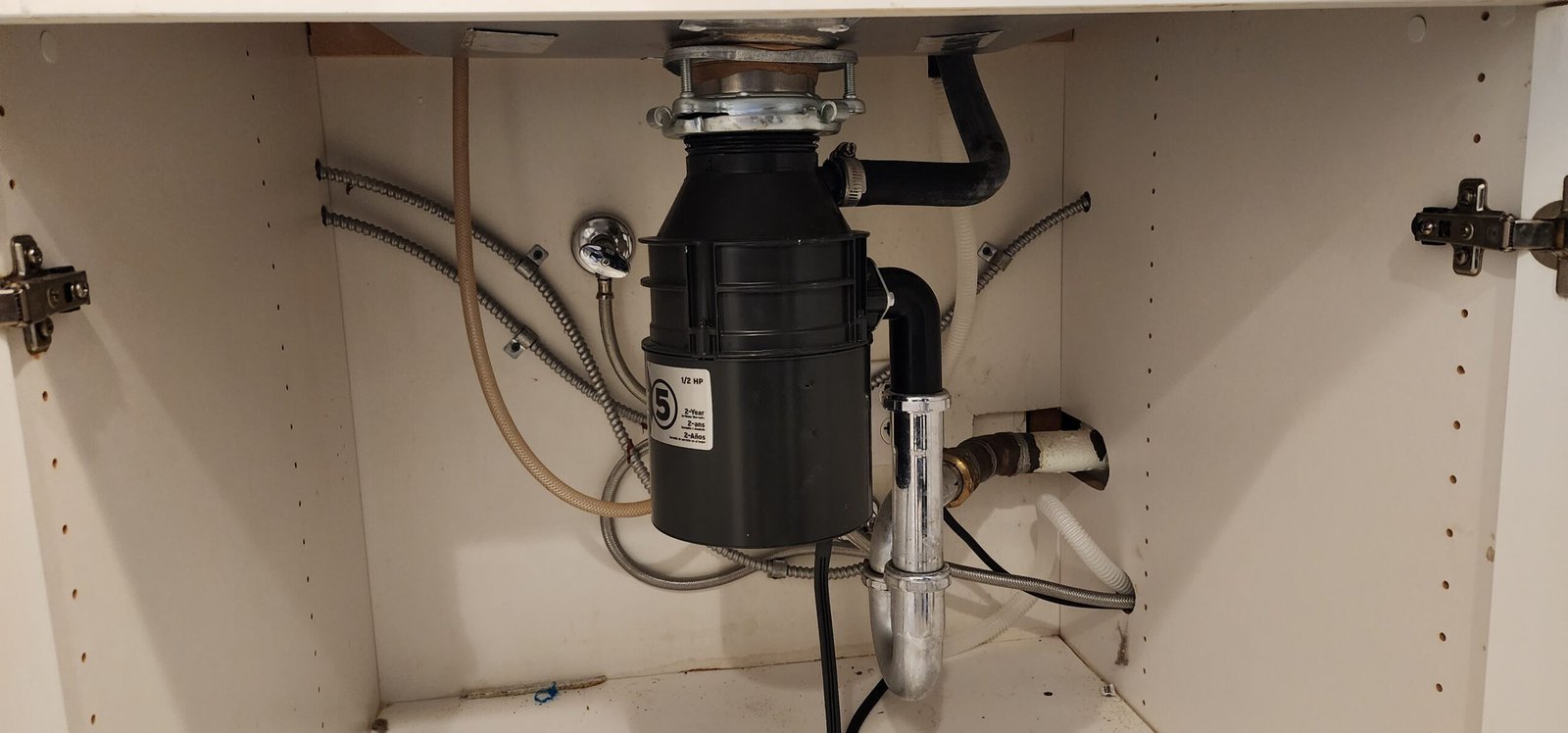
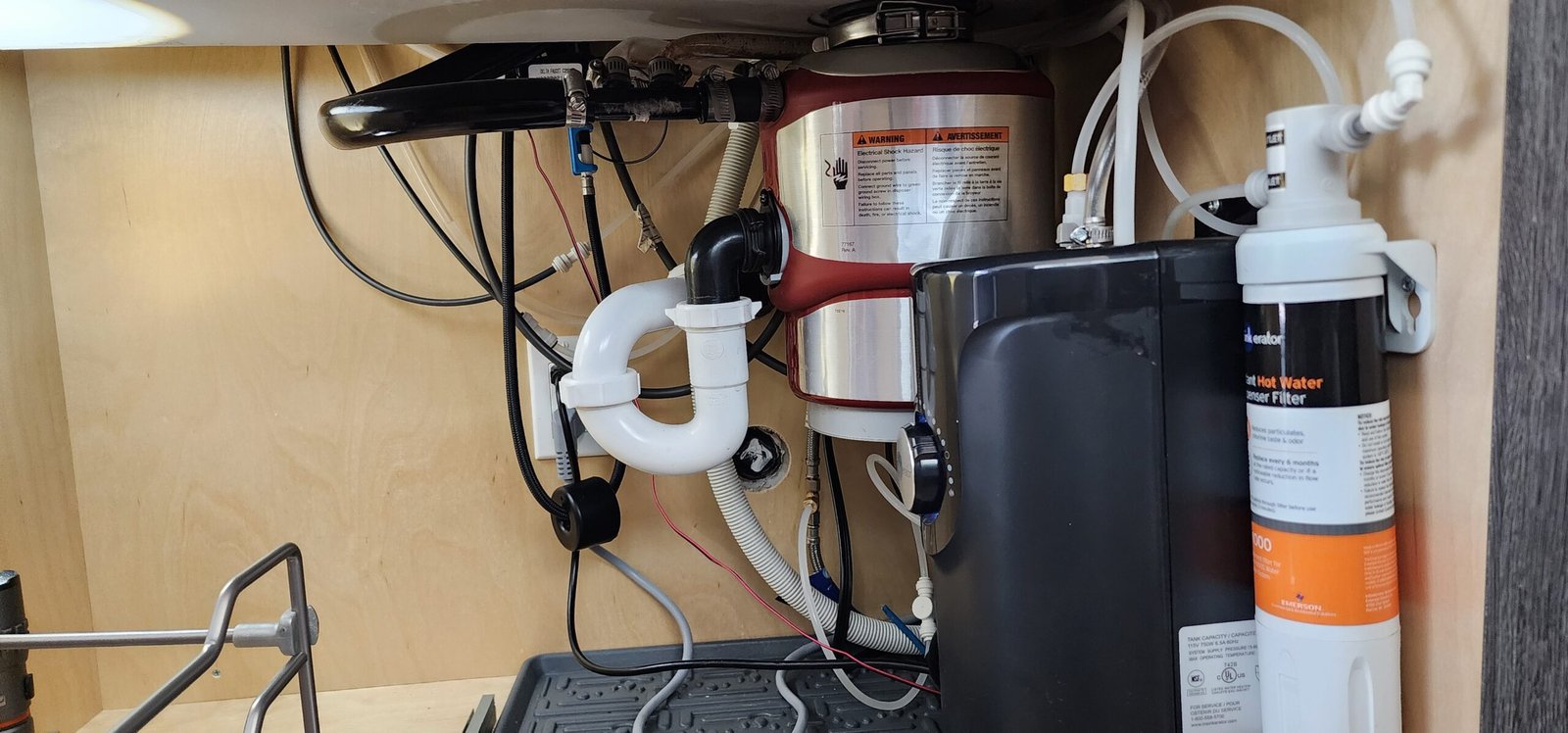
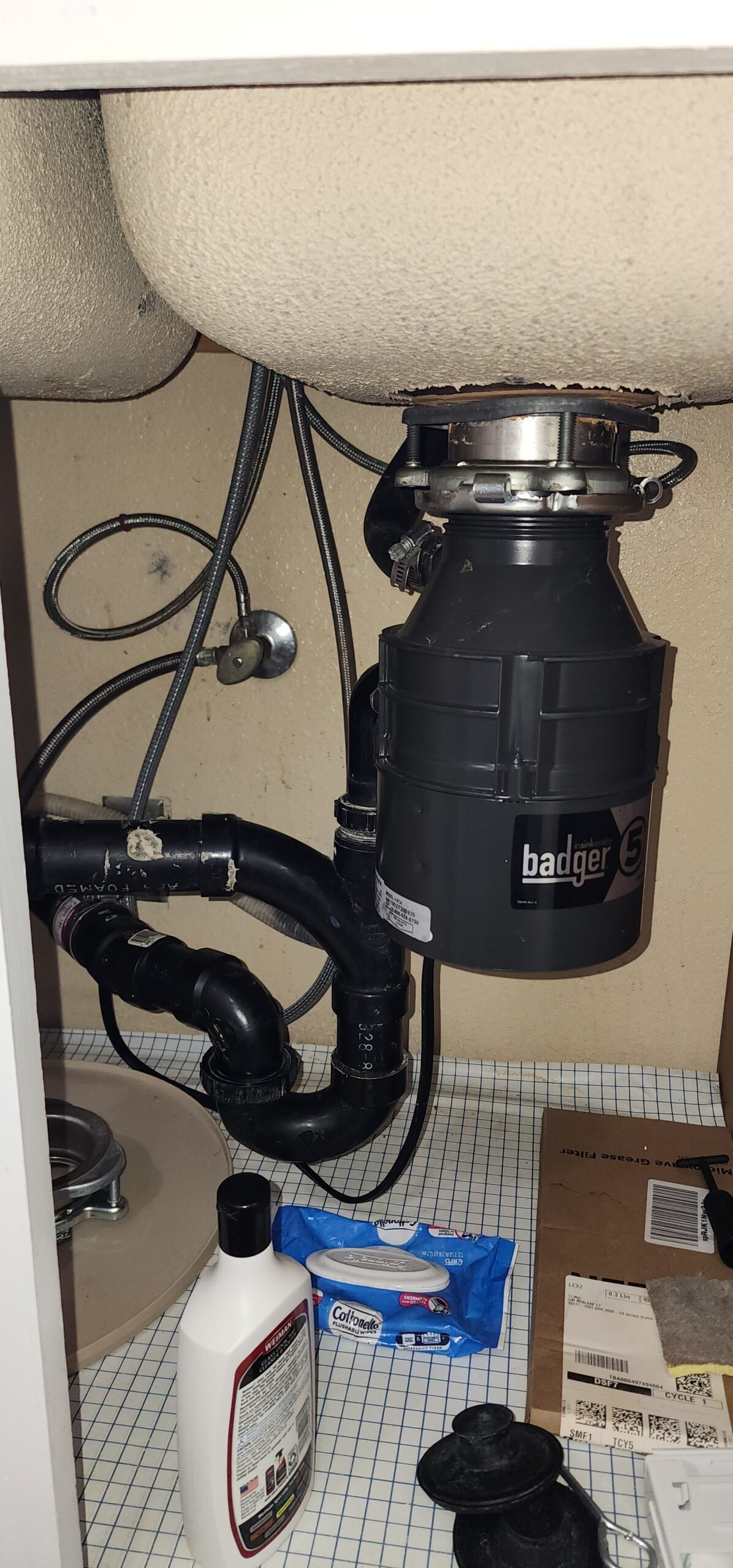
Recent Garbage Disposal Installation & Replacement Work
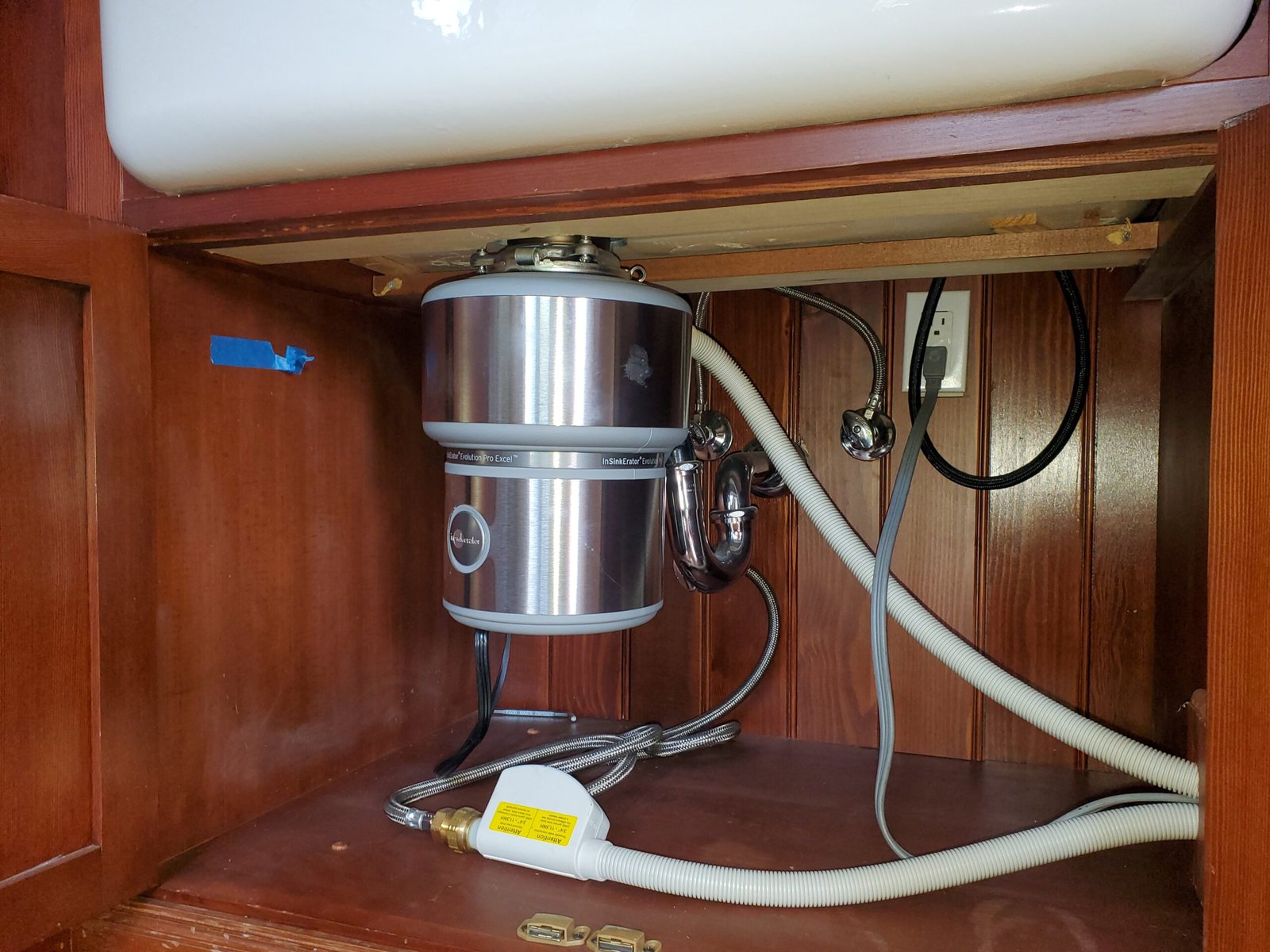
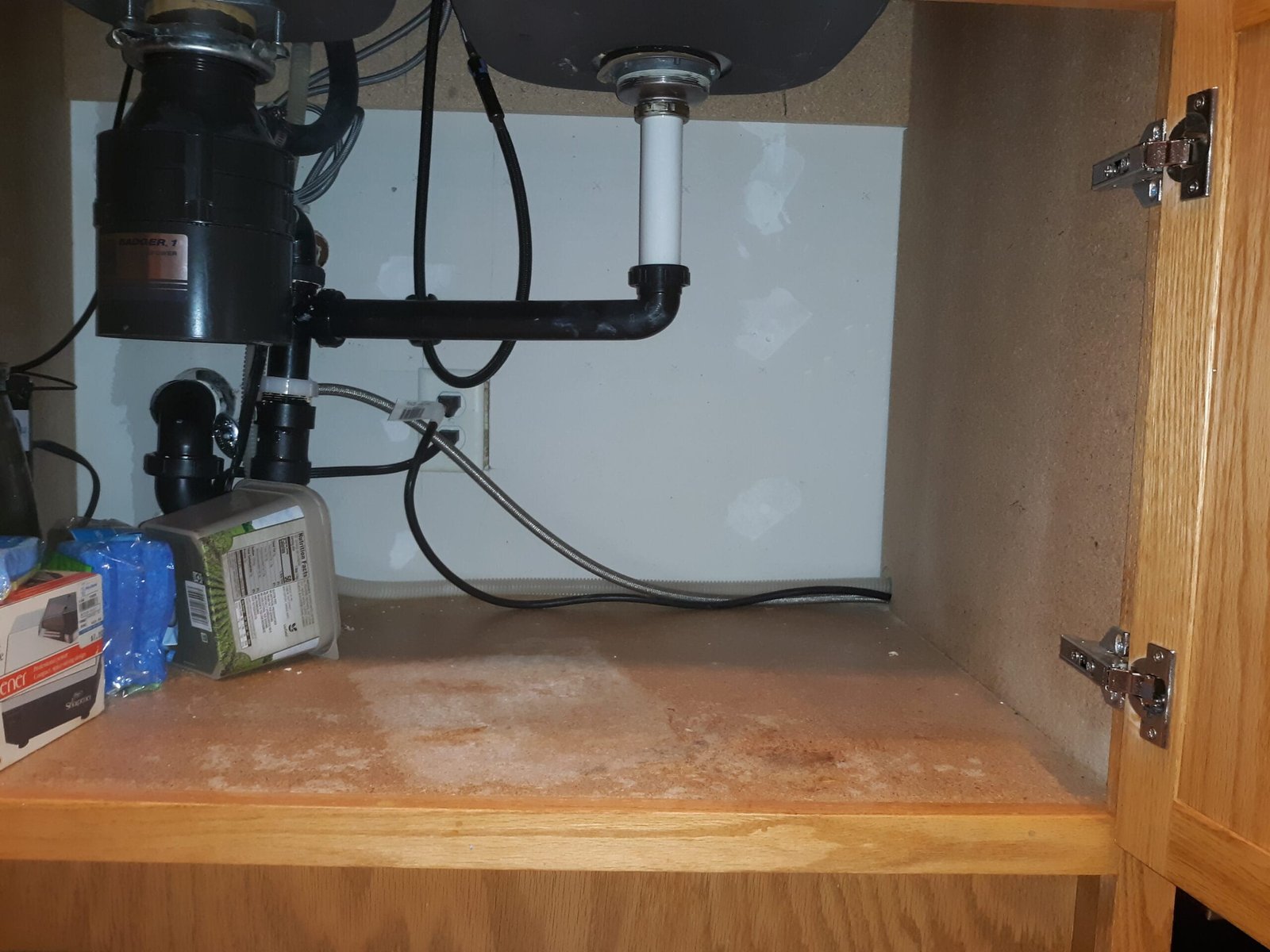
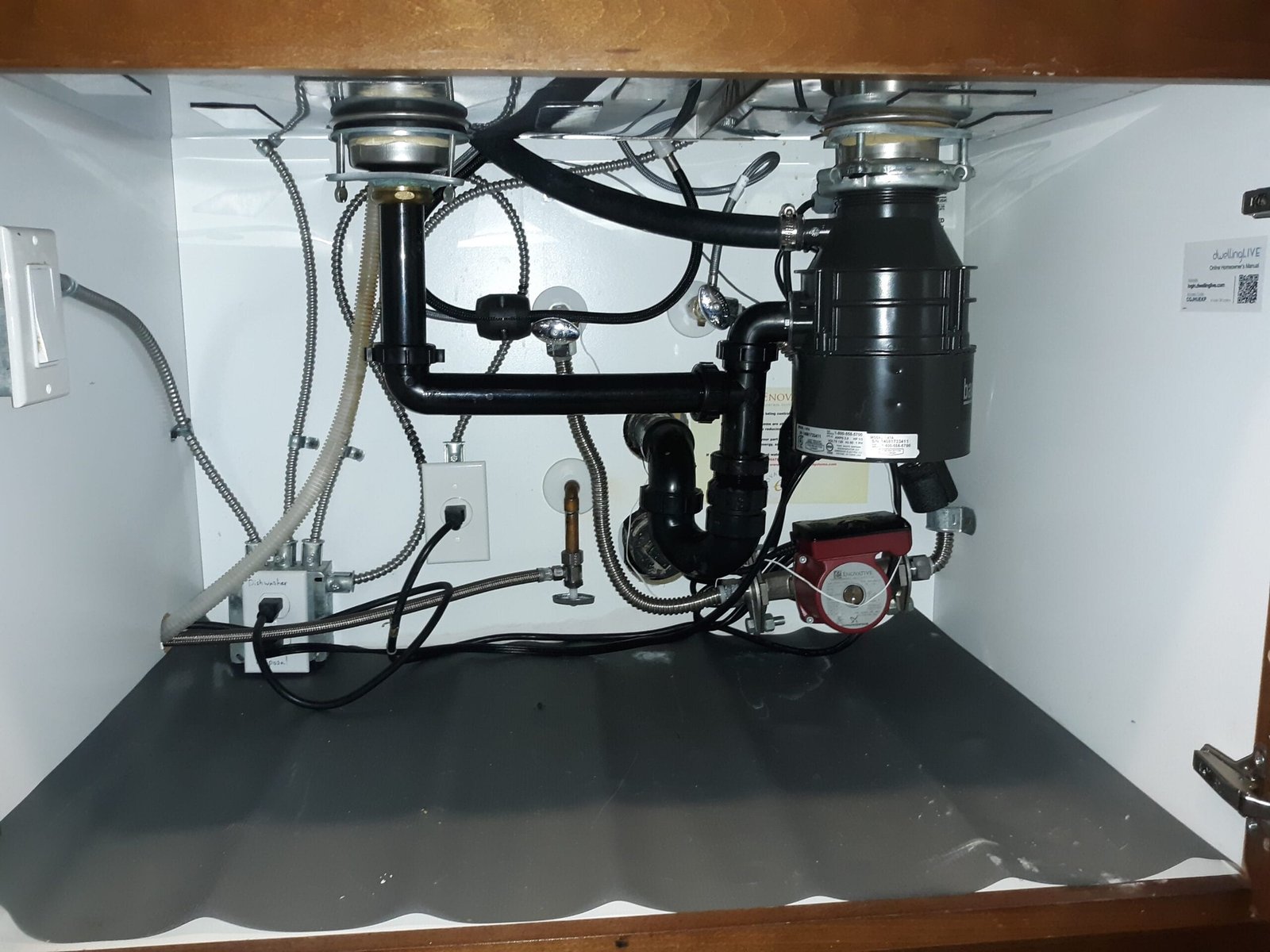
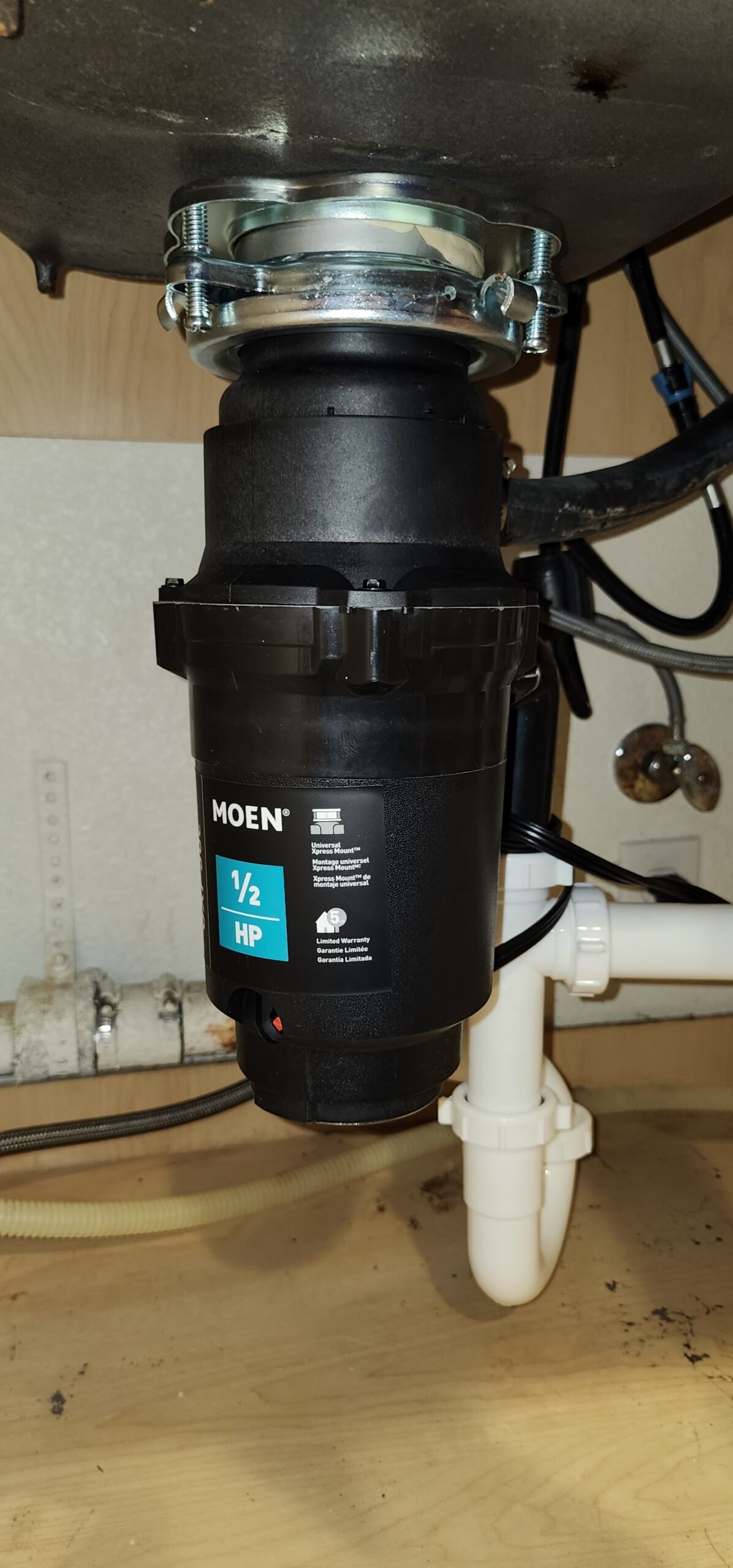
Examples of garbage disposal installation and replacement work completed by VILVIX Plumbing Systems.

Frequently Asked Questions About Garbage Disposal Installation
Need Garbage Disposal Installation or Replacement in Santa Clara?
Contact VILVIX Plumbing Systems for garbage disposal installation or replacement in Santa Clara, CA. We can help confirm compatibility with your existing sink, drain, dishwasher connection, and available under-sink space before installing a new or replacement unit.
Plumbing Services
Santa Clara & Bay Area Plumbing Service Areas
VILVIX Plumbing Systems provides garbage disposal installation and replacement in Santa Clara and surrounding Bay Area communities. Service availability may vary by location, so homeowners can contact us to confirm service for their address and garbage disposal project.