
Pressure Reducing Valve Installation & Replacement Services in Santa Clara
Protect Your Home with Safe, Consistent Water Pressure.
Pressure Reducing Valve Santa Clara homeowners trust starts with professional installation
and accurate water pressure regulation from VILVIX Systems.
At VILVIX Systems, we understand that excessive water pressure can cause serious damage to plumbing fixtures, appliances, and water heaters throughout your home. A faulty or aging pressure reducing valve (PRV) may lead to leaking faucets, running toilets, noisy pipes, water hammer, and unnecessary wear on your plumbing system. Our team provides professional pressure reducing valve installation and replacement services throughout Santa Clara and the Bay Area to help homeowners maintain safe and reliable water pressure.
VILVIX Systems specializes in Pressure Reducing Valve Santa Clara installation and replacement for residential homes.
Why Choose VILVIX Systems for Pressure Reducing Valve Installation?
Investing in a properly functioning pressure reducing valve helps protect your entire plumbing system and can prevent costly repairs.
Protect Pipes and Fixtures: High water pressure places constant strain on plumbing pipes, faucets, toilets, and shut-off valves. Proper pressure regulation helps reduce wear and extend system life.
Extend Appliance Life: Water heaters, dishwashers, washing machines, and filtration systems perform better and last longer when operating at recommended pressure levels.
Reduce Water Waste: Excessive pressure can increase water consumption and contribute to hidden leaks. A properly adjusted PRV helps improve efficiency throughout the home.
Improve Plumbing Performance: Consistent water pressure provides a more comfortable experience at showers, sinks, and fixtures while helping reduce pipe noise and water hammer.
Our Pressure Reducing Valve Santa Clara service helps protect plumbing systems from excessive water pressure.
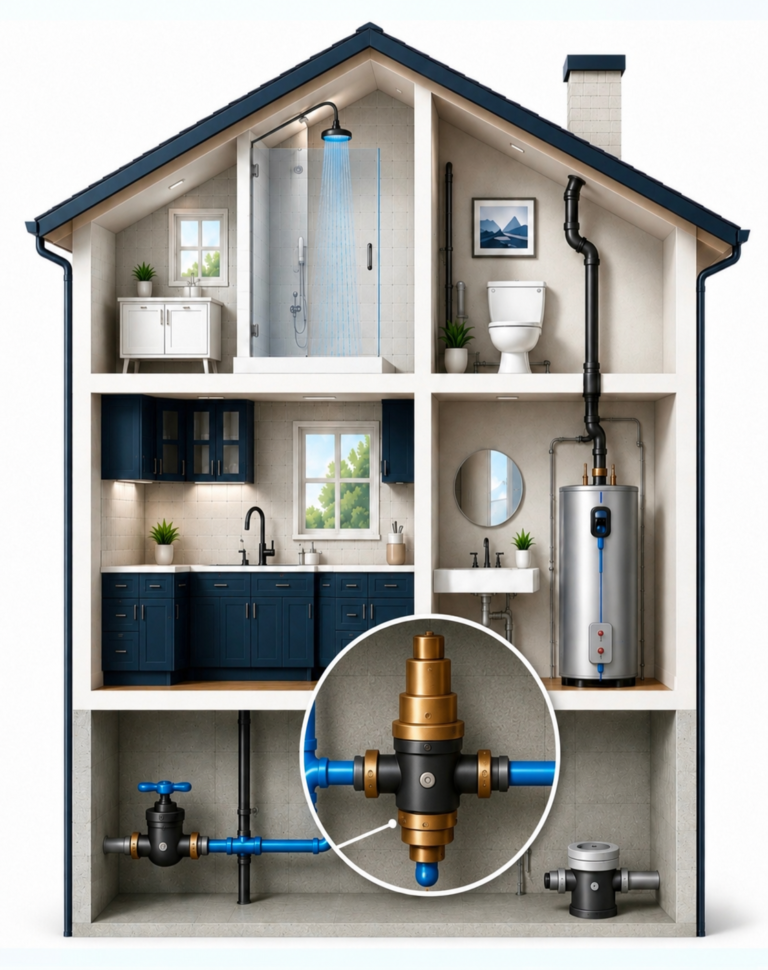
Professional Installation You Can Trust
A pressure reducing valve is one of the most important components of a residential plumbing system. Proper installation and adjustment ensure your home's water pressure remains safe, balanced, and reliable. We carefully evaluate existing conditions, replace failing valves, verify system performance, and make sure your plumbing system operates as intended.Whether your current PRV is leaking, failing to regulate pressure, or has simply reached the end of its service life, VILVIX Systems can help restore proper water pressure and protect your home's plumbing system.
Signs Your Pressure Reducing Valve May Need Replacement
A pressure reducing valve does not last forever. Over time, internal components can wear out and cause inconsistent water pressure throughout the home. If you notice unusually high water pressure, leaking faucets, running toilets, banging pipes, or sudden pressure fluctuations, your PRV may need professional inspection. Replacing a failing pressure reducing valve can help prevent costly plumbing repairs and protect your home's water system.
Benefits of Proper Water Pressure Regulation
Maintaining proper water pressure is essential for the long-term health of your plumbing system. Excessive pressure can shorten the lifespan of water heaters, faucets, toilets, washing machines, dishwashers, and filtration systems. A properly functioning pressure reducing valve helps reduce stress on plumbing components while improving efficiency and reliability throughout the home.
Frequently Asked Questions About Pressure Reducing Valves
What is the ideal water pressure for a home?
Most residential plumbing systems operate best between 50 and 75 PSI. Excessive pressure can increase wear on plumbing fixtures and appliances.
How long does a pressure reducing valve last?
A quality PRV typically lasts 10 to 15 years, depending on water conditions and usage.
Can a bad PRV increase my water bill?
Yes. A failing pressure reducing valve can contribute to excessive water usage, leaks, and inefficient plumbing performance.
Do I need a pressure reducing valve?If incoming city water pressure is too high, a PRV is one of the most effective ways to protect your plumbing system and appliances.
Homeowners choose our Pressure Reducing Valve Santa Clara solutions to improve plumbing performance and reduce future repair costs.
Pressure Reducing Valve Installation & Replacement
A pressure reducing valve (PRV), sometimes called a water pressure regulator, is one of the most important components in a residential plumbing system. While many homeowners focus on faucets, water heaters, drains, or toilets, excessive water pressure can quietly damage nearly every plumbing fixture in a home. A properly functioning PRV helps protect pipes, appliances, valves, water heaters, and fixtures by maintaining safe and consistent water pressure throughout the plumbing system.
Municipal water systems often deliver water at pressures that are much higher than what most residential plumbing systems are designed to handle. In some neighborhoods, incoming water pressure can exceed 100 PSI. Although strong water pressure may seem beneficial, excessive pressure places constant stress on pipes, fittings, seals, supply lines, and appliances. Over time, this stress can lead to leaks, premature equipment failure, increased water consumption, and costly plumbing repairs.
A pressure reducing valve is installed on the main water line entering the home. Its purpose is to reduce incoming water pressure to a safe and manageable level. Most residential plumbing systems perform best when water pressure is maintained between 50 and 75 PSI. By regulating pressure, a PRV helps ensure reliable operation of faucets, showers, toilets, dishwashers, washing machines, water heaters, and filtration systems.
One of the most common signs of a failing pressure reducing valve is unusually high water pressure throughout the home. Homeowners may notice faucets spraying harder than normal, toilets refilling aggressively, or loud banging sounds within the plumbing system. High pressure often causes water hammer, a condition where sudden changes in water flow create shock waves inside the pipes. These pressure surges can loosen fittings, damage valves, and shorten the lifespan of plumbing components.
Another indication of a faulty PRV is fluctuating water pressure. Water pressure may appear normal one moment and excessively strong the next. Inconsistent pressure can affect shower performance, sink faucets, appliance operation, and water filtration systems. A properly functioning PRV maintains stable pressure levels regardless of changes in municipal supply pressure.
Leaks around fixtures may also indicate excessive water pressure. High pressure places continuous strain on faucet cartridges, toilet fill valves, supply lines, shut-off valves, and appliance connections. While homeowners may replace leaking components repeatedly, the underlying issue is often uncontrolled water pressure. Installing or replacing a pressure reducing valve can help eliminate recurring plumbing problems caused by excessive pressure.
Water heaters are particularly vulnerable to high pressure conditions. Excessive pressure can accelerate wear on internal components, increase stress on tank connections, and cause premature failure of temperature and pressure relief valves. Over time, elevated pressure may reduce the overall lifespan of the water heater and increase the likelihood of expensive repairs or replacement.Modern appliances such as dishwashers, washing machines, refrigerator water dispensers, and reverse osmosis systems also benefit from proper pressure regulation. These appliances are designed to operate within specific pressure ranges. Excessive pressure can damage internal valves, hoses, fittings, and seals, leading to leaks and equipment malfunctions.Pressure reducing valves typically last between 10 and 20 years depending on water quality, operating conditions, mineral content, and overall usage. However, sediment buildup, corrosion, and normal wear eventually affect valve performance. As internal components deteriorate, the valve may lose its ability to regulate pressure accurately. When this occurs, replacement is usually the most reliable solution.
Professional PRV installation begins with measuring incoming water pressure and evaluating the condition of the existing plumbing system. Accurate pressure testing helps determine whether a regulator is functioning properly and whether replacement is necessary. During installation, the water supply is safely shut off, the old valve is removed, and a new pressure reducing valve is installed according to plumbing standards and manufacturer specifications.
Following installation, the valve is adjusted to the desired pressure setting and tested to ensure proper operation. Pressure measurements are taken at multiple fixtures to verify consistent performance throughout the home. Proper calibration is important because water pressure that is too low can affect comfort and fixture performance, while pressure that is too high can continue causing damage.
Many homeowners are unaware of the importance of a pressure reducing valve until problems begin appearing throughout the plumbing system. Small leaks, noisy pipes, appliance failures, and premature fixture wear are often symptoms of excessive water pressure rather than isolated issues. Addressing pressure problems early can help prevent larger repairs and extend the lifespan of plumbing equipment.
Whether you are experiencing high water pressure, fluctuating pressure, recurring leaks, water hammer, or an aging pressure regulator, professional PRV replacement can help restore safe and reliable plumbing performance. A properly functioning pressure reducing valve protects your investment, improves system efficiency, and provides peace of mind by keeping water pressure within safe operating limits.
Types of Pressure Reducing Valves and How to Choose the Right PRV for Your Home
Type your paragraph here
Not all pressure reducing valves are the same. While every PRV is designed to regulate incoming water pressure, different models are built for different applications, flow requirements, plumbing systems, and property sizes. Understanding the various types of pressure reducing valves can help homeowners make informed decisions when replacing an existing regulator or installing a new one.
A pressure reducing valve serves as the first line of defense against excessive water pressure entering the home's plumbing system. Selecting the proper valve ensures reliable pressure control, longer equipment life, and improved plumbing performance throughout the property.
Direct Acting Pressure Reducing Valves
The most common type of PRV used in residential plumbing systems is the direct acting pressure reducing valve. These regulators use an internal spring and diaphragm mechanism to control downstream pressure automatically.
As water enters the valve, the spring-loaded assembly responds to changes in pressure and adjusts accordingly. This design provides stable pressure regulation under normal household conditions and is suitable for most single-family homes.
Direct acting PRVs are popular because they are compact, reliable, affordable, and relatively easy to maintain. Most homes in Santa Clara and throughout the Bay Area use this type of pressure regulator on the main water service line.
These valves work well for everyday plumbing demands including:
Showers
Faucets
Toilets
Water heaters
Dishwashers
Washing machines
Reverse osmosis systems
Ice makers
For the majority of residential properties, a high-quality direct acting PRV is the preferred solution.
Pilot Operated Pressure Reducing Valves
Pilot operated pressure reducing valves are typically used in larger commercial, industrial, or multi-family properties where water demand fluctuates significantly.
These valves utilize a secondary control system, often referred to as a pilot assembly, which provides more precise pressure regulation under changing flow conditions.
Pilot operated regulators offer several advantages:
Higher flow capacity
More accurate pressure control
Improved performance during demand fluctuations
Better regulation in large plumbing systems
Although they are highly effective, they are generally unnecessary for most single-family residences. Their higher cost and increased complexity make them more suitable for commercial applications.Lead-Free Brass Pressure Reducing ValvesModern plumbing codes require many water system components to meet lead-free standards. Most current residential PRVs are manufactured from lead-free brass materials designed for potable water applications.Lead-free brass valves provide excellent corrosion resistance while maintaining durability and long service life. These valves are commonly installed in new construction projects, remodeling projects, and residential plumbing upgrades.When replacing an older pressure regulator, many homeowners choose modern lead-free models to improve compliance with current plumbing standards and enhance water quality.Adjustable Pressure Reducing ValvesMost residential PRVs are adjustable, allowing a plumber to fine-tune water pressure according to the needs of the home.The adjustment mechanism is usually located beneath a protective cap on top of the valve. Turning the adjustment screw changes the spring tension inside the regulator, which increases or decreases the outlet pressure.
This feature allows plumbers to customize water pressure for optimal performance.
Typical residential pressure settings include:
50 PSI for conservative operation
60 PSI for balanced performance
65 PSI for stronger fixture flow
70 PSI for larger homes with higher demand
Proper adjustment helps maintain comfort while protecting the plumbing system from excessive stress.
Residential vs Commercial PRV Systems
Residential pressure reducing valves are designed for homes, townhouses, and small residential properties.
They are typically available in sizes ranging from
3/4 inch to 1 inch and provide sufficient flow for normal household usage.
Commercial pressure reducing valves are larger and designed to handle significantly higher flow rates. They are commonly found in:
Apartment buildings
Restaurants
Hotels
Schools
Office buildings
Manufacturing facilities
Commercial systems often require specialized pressure management strategies due to varying demand throughout the day. For most homeowners, a properly sized residential PRV delivers excellent performance without unnecessary complexity.
Choosing the Correct PRV Size
Selecting the correct valve size is one of the most important factors in successful pressure regulation. Many homeowners assume that larger valves provide better performance. In reality, the valve should match the size of the incoming water service and the flow requirements of the property.
Common residential PRV sizes include:
3/4-Inch PRV
The most common size for single-family homes. Typically suitable for: Small homes Medium-sized homes Standard residential plumbing systems
1-Inch PRV
Often used for: Larger homes Homes with multiple bathrooms Properties with higher water demand
1-1/4-Inch and Larger PRVs Usually reserved for:
Large custom homes Multi-unit properties Commercial buildings Installing a valve that is improperly sized can affect performance and pressure regulation accuracy.
What Water Pressure Is Considered Normal?
One of the most common questions homeowners ask is, "How much water pressure should a house have?" Most plumbing professionals consider the ideal residential pressure range to be between 50 and 75 PSI. General guidelines include:
Below 40 PSI: Water pressure may feel weak.
50–60 PSI: Excellent balance of performance and protection.
60–75 PSI: Acceptable for many homes.
Above 80 PSI: Often considered excessive and may violate plumbing recommendations.
Above 100 PSI: High risk of plumbing damage.
Many homes experiencing plumbing problems have pressure levels well above the recommended range without the homeowner realizing it.
Factors That Affect PRV Performance Several factors influence how effectively a pressure reducing valve performs over time.
Water Quality: Mineral deposits and sediment buildup can affect internal valve components. Areas with hard water may experience faster wear on moving parts.
Age: Most pressure regulators eventually wear out. Springs, diaphragms, seals, and internal mechanisms can deteriorate after years of service.
Incoming Municipal Pressure: Some neighborhoods experience extremely high incoming pressure from municipal systems. In these cases, the PRV works harder and may require replacement sooner.
Plumbing System Design
The layout and condition of the home's plumbing system can influence pressure distribution and regulator performance.
When Should a PRV Be Replaced?
While some pressure reducing valves can last 15 to 20 years, replacement may become necessary sooner if symptoms develop.
Common warning signs include:
High water pressure
Fluctuating pressure
Water hammer
Noisy pipes
Leaking fixtures
Frequent appliance failures
Pressure readings above normal limits
Replacing a worn pressure reducing valve can help prevent costly plumbing repairs and improve overall system reliability.
Choosing the right pressure reducing valve is an important investment in the health of your plumbing system. A properly selected and professionally installed PRV protects pipes, fixtures, appliances, and water heaters from excessive pressure while providing consistent water flow throughout the home. Whether replacing an aging regulator or upgrading a high-pressure plumbing system, selecting the correct valve helps ensure years of safe and dependable performance.
Pressure Reducing Valve Replacement Process and Common Installation Mistakes
A pressure reducing valve is one of the most important protective devices in a residential plumbing system. While the valve itself is designed to regulate water pressure automatically, proper installation and adjustment are critical for long-term performance. Even the highest-quality pressure reducing valve can experience problems if it is installed incorrectly or adjusted improperly.
Many homeowners only become aware of their pressure regulator after experiencing plumbing issues such as excessive water pressure, water hammer, leaking fixtures, noisy pipes, or repeated appliance failures. In many cases, replacing an aging PRV can restore proper system operation and help prevent costly plumbing repairs.
Understanding the replacement process and common installation mistakes can help homeowners recognize the importance of proper pressure regulation throughout the home.
Step 1: Measuring Existing Water Pressure
Before replacing a pressure reducing valve, the first step is evaluating the existing water pressure.
A pressure gauge is attached to a hose bib, laundry faucet, or other suitable connection point to determine current system pressure. This test helps identify whether the regulator is functioning properly or allowing excessive pressure into the plumbing system.
Many homeowners are surprised to discover that their home's water pressure is significantly higher than recommended levels. In some neighborhoods, municipal water pressure may exceed 100 PSI.
Typical pressure readings include:
40–50 PSI: Lower but acceptable.
50–60 PSI: Ideal residential range.
60–75 PSI: Generally acceptable.
80 PSI and above: Often considered excessive.
100 PSI and above: High risk of plumbing damage.
Pressure testing provides valuable information before any replacement work begins.
Step 2: Inspecting the Existing Pressure Regulator
Once pressure readings are obtained, the existing regulator is inspected.
Several conditions may indicate replacement is necessary:
External leaks
Corrosion
Mineral buildup
Fluctuating pressure
Water hammer symptoms
Failure to maintain adjustments
Advanced age
In many homes throughout the Bay Area, pressure regulators have been operating for more than a decade. Over time, internal springs, diaphragms, seals, and moving components naturally wear out. Although some regulators can be rebuilt, replacement is often the most reliable long-term solution.
Step 3: Shutting Off the Main Water Supply
Before removing the old pressure reducing valve, the main water supply must be safely shut off.
Once the water is turned off, faucets throughout the home are opened to relieve pressure and drain remaining water from the plumbing system.
This step prevents unwanted water discharge during the replacement process and helps ensure a safe installation.
Proper preparation also reduces stress on surrounding plumbing components while work is being performed.
Step 4: Removing the Existing PRV
After the system is depressurized, the old regulator is carefully removed.
Depending on the original installation, removal may involve:
Threaded fittings
Union connections
Copper pipe modifications
PEX connectionsBrass fittings
The surrounding piping is inspected for signs of wear, corrosion, damage, or previous leaks. Any compromised components should be addressed before the new regulator is installed. A clean installation area helps ensure proper valve operation and reduces the likelihood of future leaks.
Step 5: Installing the New Pressure Reducing Valve
The replacement pressure reducing valve is installed according to manufacturer specifications and local plumbing standards.
Several factors must be considered during installation:
Correct Flow Direction
Every pressure reducing valve includes a directional arrow indicating water flow.
Installing the valve backward is one of the most serious installation mistakes and prevents proper operation.
The regulator must always face the direction of water flow entering the home.
Proper Pipe Alignment
Misaligned piping places stress on valve connections and fittings.
Excessive force during installation can lead to:
Leaks
Premature wear
Cracked fittings
Reduced valve lifespan
Proper alignment helps ensure smooth operation and long-term reliability.
Secure Connections
All threaded or compression connections must be tightened appropriately. Overtightening can damage fittings, while under tightening can result in leaks. Professional installation helps achieve proper sealing without placing unnecessary stress on components.
Step 6: Adjusting the Pressure Setting
After installation is complete, the regulator must be adjusted to the desired pressure level. Most residential pressure reducing valves feature an adjustment screw located beneath a protective cap. The valve is gradually adjusted while monitoring pressure with a gauge.
For most homes, the target pressure range is:
50 PSI
55 PSI
60 PSI
65 PSI
The ideal setting depends on the home's plumbing layout, fixture count, and water usage patterns. A properly adjusted regulator provides excellent fixture performance while protecting the plumbing system from excessive pressure.
Step 7: Testing the Plumbing System
Once the pressure regulator has been installed and adjusted, the entire plumbing system is tested.
Several fixtures are operated simultaneously to verify proper performance.
Common test points include:
Kitchen faucets
Bathroom faucets
Showers
Toilets
Washing machine connections
Dishwasher supply lines
Water heater connections
Pressure readings are checked to confirm stable operation throughout the home. The goal is to achieve consistent pressure without significant fluctuations.
Benefits of Proper PRV Installation
A correctly installed pressure reducing valve offers numerous benefits.
Protection Against Pipe Damage
Excessive water pressure places continuous stress on plumbing pipes.
By maintaining safe pressure levels, a PRV helps extend the life of the plumbing system.
Reduced Risk of Leaks
High pressure can damage supply lines, valves, seals, and fittings.
Proper pressure regulation helps prevent recurring leaks and unnecessary repairs.
Longer Fixture Lifespan
Faucets, shower valves, toilet fill valves, and appliance connections operate more efficiently when pressure remains within recommended limits.
Improved Water Heater Protection
Water heaters experience less stress when pressure is properly controlled.
This can help extend equipment lifespan and reduce maintenance issues.
Better Appliance Performance Dishwashers, washing machines, filtration systems, and refrigerator water lines benefit from stable pressure conditions.
Common Pressure Reducing Valve Installation Mistakes Even small installation errors can affect performance. Incorrect Valve Sizing One of the most common mistakes is selecting the wrong valve size. An oversized or undersized regulator may not perform efficiently under varying demand conditions.
Proper sizing should be based on:
Water service size
Household demand
Fixture count
Flow requirements
Installing the Valve Backward
Every PRV is designed for one direction of water flow. Incorrect orientation prevents proper regulation and may damage internal components.
Failure to Check Existing
Pressure Installing a new regulator without measuring incoming pressure can result in inaccurate adjustments and ongoing performance issues.
Pressure testing should always be performed before and after installation.
Ignoring Water Hammer Problems
Some homes require additional protection beyond a pressure regulator.
If water hammer is present, expansion tanks or hammer arrestors may also be recommended.
Ignoring these symptoms can allow plumbing damage to continue.
Improper Adjustment
Setting pressure too high defeats the purpose of the regulator.
Setting pressure too low can reduce fixture performance and homeowner comfort.
Accurate adjustment helps achieve the ideal balance between protection and usability.
Extending the Life of Your Pressure Reducing Valve
Although pressure reducing valves are durable, regular monitoring can help maximize their lifespan.
Homeowners should periodically:
Check water pressure levels
Listen for water hammer
Monitor fixture performance
Watch for unusual leaks
Inspect exposed plumbing connections
Addressing small issues early can help prevent larger plumbing problems later.
A professionally installed pressure reducing valve provides years of reliable protection for pipes, fixtures, appliances, and water heaters. By maintaining safe water pressure throughout the home, a PRV helps reduce wear, improve plumbing performance, and protect valuable plumbing equipment from unnecessary damage. Whether replacing an aging regulator or correcting excessive water pressure, proper installation and adjustment are essential for long-term system reliability and homeowner peace of mind.
Plumbing Services
Drain Cleaning
Clean Out Installation
⭐10+ Years Experience
Over 10 years of hands-on plumbing experience.
🛠️Quality Workmanship
Professional plumbing solutions built to last.
💲Honest Pricing
Clear recommendations and no hidden fees
⚡Fast Response
Quick scheduling and reliable service.
😊Customer Satisfaction
Professional plumbing solutions built to last.
Santa Clara & Bay Area Plumbing Service Areas
Santa Clara plumber providing drain cleaning, leak repair and faucet installation services. If you need a reliable Santa Clara plumber, contact VILVIX Systems today. Our experienced Santa Clara plumber serves Santa Clara and the Bay Area